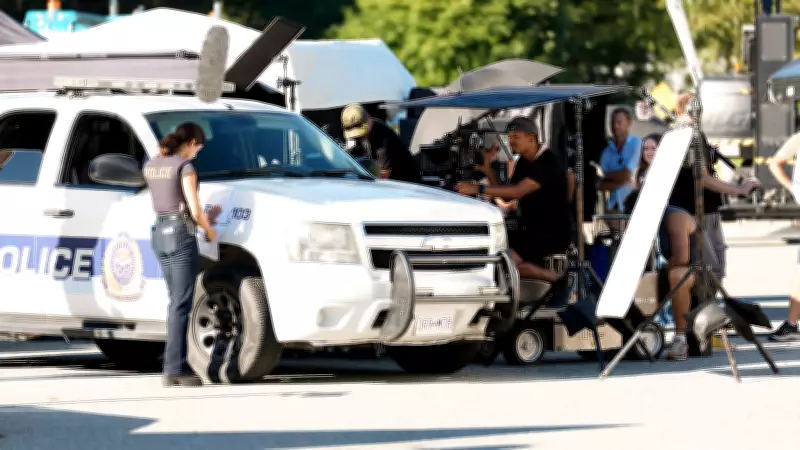
B.C.'s Film and TV Industry Shows Renewed Optimism for 2026
Following a period of significant challenges, the film and television industry in British Columbia is experiencing a resurgence of optimism as 2026 unfolds. After strikes by writers and actors in 2023 led to a sharp decline, with spending dropping from $4.4 billion to just over $2 billion and full-time jobs falling from 50,000 to 26,000, the sector is now on an upward trajectory. Insiders report that 2024 saw similar low numbers, but by mid-2025, production volumes began to increase, setting the stage for a more promising year ahead.
Global Challenges and Local Resilience
The industry's downturn was not unique to B.C.; it was part of a global contraction driven by labor disputes, industry consolidation, and restructuring among streamers and broadcasters. Marnie Gee, the B.C. film commissioner, noted that while the province's competitive tax incentives, robust infrastructure of nearly 150 studios, and deep talent base make it a top jurisdiction, the global decrease in green-lit productions impacted everyone. "It's complex, because it's not one thing. It was a number of different things," Gee explained, highlighting factors like ongoing negotiations between the U.S. Screen Actors Guild and producers.
Key Factors Driving Recovery
Several elements are contributing to the industry's recovery in B.C.:

- Major U.S. Productions: High-profile shows such as FX's Shōgun, HBO's The Last of Us, and Amazon's God of War are filming in the province, with budgets ranging from $200 million to $400 million. These productions employ hundreds of workers, from makeup artists to crew members, and serve as powerful advertising for the local industry.
- Increased Tax Credits: In early 2025, the B.C. government raised the Production Services Tax Credit from 28% to 36% and the Film Incentive B.C. tax credit from 35% to 40% for Canadian-owned companies. This move has helped B.C. remain competitive amid growing global competition from jurisdictions like the U.K. and Ireland.
- Infrastructure Expansion: The addition of 20 new sound stages at Bridge Studios in June 2025 has increased capacity, allowing for more productions. Vancouver's proximity to Los Angeles and its diverse location options further enhance its appeal.
Industry Voices Reflect Cautious Hope
Industry leaders express measured optimism for 2026. Gemma Martini, chairperson of Screen B.C. and owner of Martini Studios, reported that studios are fully booked and union employment is higher than last year. "We're not comparing ourselves to our best year, because we're a long way off from that, but we're all moving in the right direction with optimism," she said. Similarly, veteran producer Shawn Williamson noted that while green-lighting remains cautious, there are promising projects on the horizon.
Local professionals like makeup artist Rebecca Lee and line producer Catou Kearney emphasize the cyclical nature of the industry. Lee, who works on Shōgun, mentioned employing up to 30 makeup artists for large scenes, while Kearney highlighted the importance of budgeting through fluctuations. "You need thick skin, and you need to teach yourself how to budget," Kearney advised, reflecting on the gig-based employment model.
Economic Impact and Future Outlook
The recovery extends beyond direct employment, benefiting hotels, vendors, and restaurants. Canadian productions like Allegiance and Wild Cards also contribute to the local economy. With 24 active productions as of mid-January 2026 and stages filling up, the industry is poised for growth. However, challenges remain, including increased global competition and the need for sustained investment. As Kearney summed up, "We're all forecasting that it's going to be a better year," capturing the guarded yet hopeful sentiment across British Columbia's film and TV community.