Hollywood Elite Unite in Opposition to Major Studio Merger
In a significant development within the entertainment industry, a group of influential Hollywood figures has publicly voiced their "unequivocal opposition" to the proposed merger between Paramount Pictures and Warner Bros. The collective stance was articulated through a formal open letter, which has garnered widespread attention and sparked intense debate regarding the future landscape of film and media production.
Concerns Over Market Consolidation and Creative Freedom
The open letter, signed by a diverse array of actors, directors, producers, and other industry professionals, outlines several key concerns associated with the potential consolidation. Foremost among these is the fear that reducing the number of major studios could lead to diminished competition, potentially stifling innovation and limiting the diversity of content available to audiences worldwide. The signatories argue that such a merger might concentrate too much power in the hands of a single corporate entity, thereby undermining the creative autonomy that has long been a hallmark of Hollywood's success.
Additionally, the letter highlights apprehensions regarding the impact on employment within the industry. There is a palpable worry that the merger could result in significant job losses, as overlapping departments and functions are streamlined or eliminated. This concern extends not only to high-profile positions but also to the myriad of support roles that are essential to the filmmaking process. The signatories emphasize that the human element of storytelling must be preserved, and that corporate mergers should not come at the expense of the talented individuals who bring cinematic visions to life.

Historical Context and Industry Implications
The proposed Paramount-Warner merger is situated within a broader trend of consolidation in the media and entertainment sectors. Over the past decade, numerous mergers and acquisitions have reshaped the industry, often driven by the rise of streaming platforms and the need for companies to scale their content libraries and distribution networks. However, this latest proposal has triggered a particularly vocal response, perhaps due to the iconic status of both studios and their deep-rooted histories in Hollywood lore.
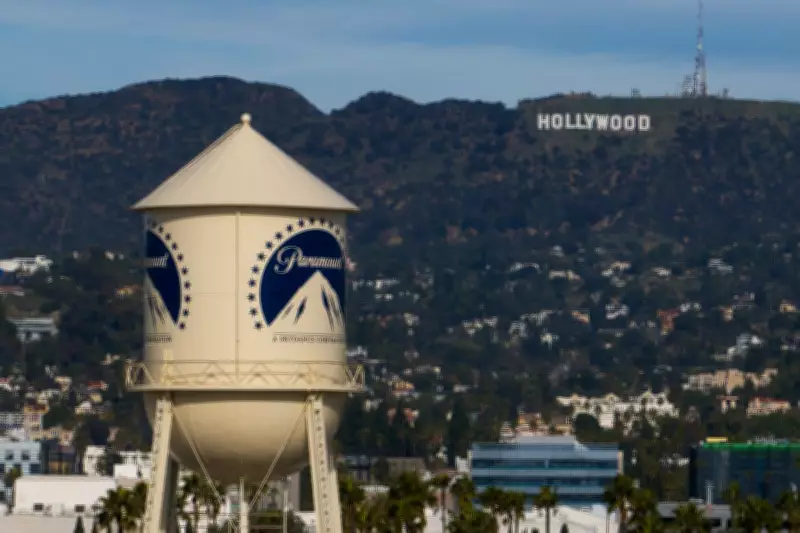
Paramount Pictures, with its iconic water tower and storied legacy, and Warner Bros., known for its vast catalog of beloved franchises and innovative productions, represent pillars of the cinematic world. Their potential union raises questions about the preservation of distinct creative identities and the potential homogenization of content. The open letter suggests that such a merger could lead to a "cookie-cutter" approach to filmmaking, where financial considerations overshadow artistic expression and risk-taking.
Call for Regulatory Scrutiny and Public Discourse
The Hollywood heavyweights behind the letter are calling for heightened regulatory scrutiny of the merger proposal. They urge antitrust authorities and policymakers to carefully examine the potential ramifications for market competition and consumer choice. The signatories advocate for a transparent and thorough review process, one that takes into account the voices of industry stakeholders and the broader public.
Moreover, the letter serves as a catalyst for broader public discourse on the future of entertainment. It encourages audiences, critics, and industry professionals alike to consider the long-term implications of such consolidations. The signatories posit that a healthy, competitive media landscape is essential for fostering creativity, ensuring diverse representation, and maintaining the cultural vitality that defines Hollywood's global influence.
As the debate unfolds, the open letter stands as a powerful testament to the collective will of Hollywood's creative community. It underscores a commitment to safeguarding the artistic integrity and economic diversity of the industry, even in the face of transformative corporate maneuvers. The outcome of this opposition could significantly influence not only the fate of the Paramount-Warner merger but also the trajectory of entertainment consolidation for years to come.