Sherlock Holmes Transforms from Emotionless Genius to Human Figure in Streaming Era
The enduring legacy of Arthur Conan Doyle's master detective Sherlock Holmes continues to captivate audiences through countless screen adaptations, but recent streaming productions have taken a particularly innovative approach by humanizing the traditionally aloof character.
From Basil Rathbone to Benedict Cumberbatch: A Legacy of Interpretation
Sherlock Holmes has undergone remarkable transformations throughout cinematic history, beginning with Basil Rathbone's classically tweedy genius portrayal and evolving through Benedict Cumberbatch's contemporary misfit savant interpretation. Robert Downey Jr. brought a sexually ambiguous action hero dimension to the character in Guy Ritchie's two thrilling films, demonstrating the detective's remarkable adaptability across generations and artistic visions.
Young Sherlock: A Prequel with Emotional Depth
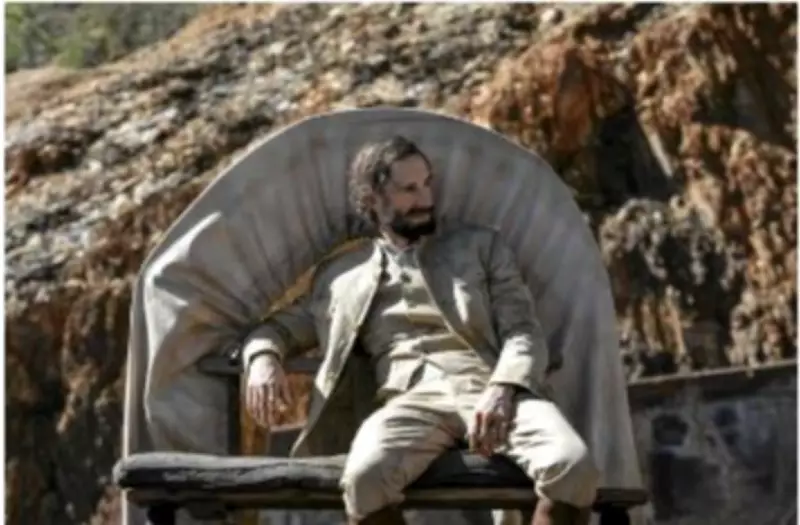
Guy Ritchie returns as producer and occasional director with Young Sherlock, an eight-part Prime Video miniseries that serves as a prequel to his action-packed Holmes stories. This fresh interpretation stars Joseph Fiennes and explores Sherlock's formative years with unprecedented emotional complexity.

While Holmes has traditionally maintained emotional distance in previous portrayals, this series allows the young detective to experience a full spectrum of feelings, reflecting both his youth and turbulent family background. Hero Fiennes Tiffin portrays the youthful Sherlock, bringing depth to a character first seen as young Tom Riddle in Harry Potter and the Half-Blood Prince. The casting creates a fascinating family connection, with Hero's uncle Ralph Fiennes having played the adult Voldemort, while another uncle, Joseph Fiennes, portrays Sherlock's father Silas in this series.
Oxford Intrigue and Family Dynamics
The narrative follows Sherlock as his elder brother Mycroft, played by Max Irons, arranges for him to work as an Oxford porter to avoid prison time for youthful misbehavior. Flashbacks reveal how Sherlock's rebellious tendencies stem from a fractured family life, with his mother confined to a mental institution following his younger sister's tragic death and his father largely absent from his upbringing.
Sherlock's intellectual journey intensifies as he befriends the equally brilliant James Moriarty, portrayed with dark charm by Irish actor Donal Finn. Together they uncover an Oxford-centered conspiracy targeting four professors, apparently orchestrated by a visiting Chinese princess played by Zine Tseng.
Connections to Ritchie's Cinematic Universe
The series expands its scope to include a plot involving potential weapons of mass destruction, creating narrative ties to Ritchie's second Sherlock film A Game of Shadows from 2011, though with less emphasis on that film's homosexual subtext. While purists might find Ritchie's unconventional approach challenging, his interpretation injects fresh energy and unexpected twists into the Holmes universe, particularly through surprising villain revelations.
Mr. Holmes: An Elder Statesman's Reflection
For viewers preferring a more contemplative Sherlock, Bill Condon's 2015 drama Mr. Holmes offers a compelling alternative. Adapted from Mitch Cullin's novel A Slight Trick of the Mind and directed by the filmmaker who previously worked with Ian McKellen on Gods and Monsters, this film presents a 93-year-old Holmes in decline.
Having long abandoned detective work, this elderly Sherlock has retired to the countryside where he keeps bees and lives out his remaining days in rustic comfort. Set in 1947, the story follows Holmes as he returns from war-ravaged Japan, having sought a rare plant believed to restore memory. At his farmhouse, he maintains a prickly relationship with his housekeeper Mrs. Munro, played by Laura Linney, while developing a grandfatherly bond with her son Roger, portrayed by Milo Parker.
The young boy, fascinated by Holmes adventures from Dr. Watson's published accounts, receives corrections about the fictionalized aspects of the detective's life—no deerstalker hat, no pipe—but eventually persuades the aging Holmes to demonstrate his legendary deductive skills once more.

The Evolution Continues
These streaming adaptations demonstrate Sherlock Holmes' remarkable capacity for reinvention while maintaining the core elements that have made the character endure for generations. From youthful emotional exploration to elderly reflection, the detective's journey on screen continues to evolve, offering audiences new dimensions of one of literature's most iconic figures.