Controversial Play Reimagines Harriet Tubman's Early Life Through Rap and Twerking
A new theatrical production titled "Harriet Tubman: Love Slave" has generated significant controversy for its unconventional portrayal of the legendary abolitionist. The play, which focuses on the first 27 years of Tubman's life, has drawn criticism for a viral clip showing the historical figure twerking and rapping on stage.
Artistic Vision Meets Historical Reverence
Playwright Terrell M. Green describes the production as "a bold, rap-poetic musical remix of history" that reimagines the young Harriet before she became known as "The Moses of Her People." The play specifically explores what Green calls "the untold love story between Harriet and her first husband, John Tubman — the man who ghosted her when she chose freedom over fear."
Green characterizes the production as "part concert, part spiritual awakening, and all power," designed to "assert bold autonomy" and serve as what he describes as "a f**k you to slavery, to respectability politics and the erasure of Black intimacy and agency."

The Viral Moment That Sparked Debate
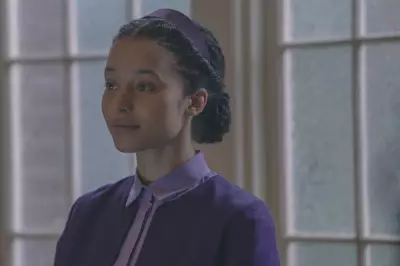
The controversy centers around a particular scene depicting the moment when Tubman returned from her first escape in 1849, only to discover her husband had remarried. In the production, this emotional moment is portrayed with Tubman bending over, twerking and rapping, "Baby, I'm back/Baby, where you at/Come and get this ass (ass, ass, ass)."
Green has defended the artistic choices, noting in an interview with CNN's Victor Blackwell that the clip might be "taken out of context" by those who haven't seen the full production. He explained his approach by saying, "I wanted to over-inundate the word 'nigga' in this play, like in the genre of rap," despite acknowledging he's not a "huge fan of rap" himself.
A Pattern of Problematic Portrayals
This production follows what critics describe as a troubling pattern of trivializing Tubman's legacy. Recent years have seen multiple controversies surrounding representations of the abolitionist:
- Last year, white actor Annette Hubbell sued the San Diego County Library after it canceled her one-woman show "Women Warriors," which included portrayals of Tubman
- A viral TikTok conspiracy claimed Tubman wasn't a real person, prompting online campaigns to combat disinformation
- Russell Simmons posted a parody video of Tubman having sex with her slave master to blackmail him (he later apologized)
- The 2019 film "Harriet" prompted #NotMyHarriet boycott calls over Cynthia Erivo's casting and complaints about white savior narratives
- The Obama-era initiative to put Tubman on the $20 bill faced resistance, with reports that President Donald Trump questioned putting "that face" on the currency
The Complex Legacy of a Historical Giant
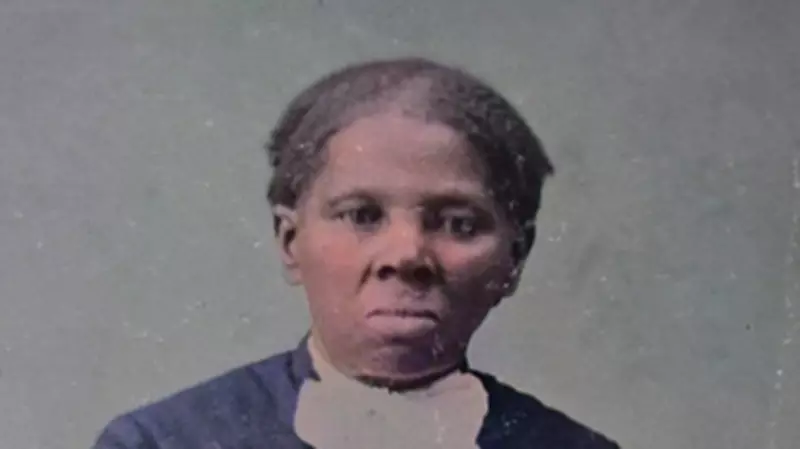
Harriet Tubman's actual life story contains remarkable complexity that critics argue deserves more serious treatment. She was a woman with epilepsy who made 13 dangerous missions into slave territory, personally bringing more than 300 people to freedom. She carried a gun and threatened to use it on those who wanted to turn back, served as a spy and nurse during the Civil War, and became a military leader.
"There's a difference between humanizing someone and humiliating them," critics of the play argue. "Tubman deserves to be remembered as fully human — flawed, sexual, complex — but shock-value art often mistakes degradation for depth. It confuses provocation with insight."
Balancing Artistic Freedom with Historical Respect
The debate raises important questions about how society should approach historical figures, particularly those from marginalized communities. While artists certainly have creative freedom to reinterpret history, many argue that certain figures deserve particular care and respect.
"When you reduce her to twerking on stage for shock value, you're not pushing back on respectability politics — you're just making her appear far less interesting than she was," one critic noted. "Tubman risked everything — her freedom, her life, her safety — over and over again for people she didn't even know. The least we can do is honor that sacrifice by treating her legacy with the seriousness it deserves."

The production wrapped a run at the Long Beach Playhouse Theater in January and is playing in Los Angeles during the last week of February, continuing to spark conversation about the boundaries of artistic interpretation and historical preservation.