At the age of 23, one of my closest friends experienced a sudden and devastating stroke. It struck without warning during a holiday break while she was excelling at Duke University Medical School, poised to become a compassionate and skilled physician. She awoke one morning in an intensive care unit, diagnosed with locked-in syndrome, nearly completely paralyzed, and remained hospitalized for months. I will not offer the inspiration porn that pervades our society, but I will share the raw truth. Her life before this catastrophe was vibrant and purposeful, driving her to fight fiercely for recovery through rehabilitation, speech therapy, innovative medical technologies, and relentless perseverance. I witnessed her journey, oscillating between hope and helplessness.
Reclaiming Life Through Narrative
She ultimately reclaimed her life, though it now looks different, enriched in unexpected ways. When she still lacked hand function, she began a blog to share her story using specialized glasses that enabled her to control a computer keyboard with eye movements. This revealed her exceptional talent as a writer. From her power wheelchair, she pivoted her path. Today, over a decade later, she is completing a Master of Fine Arts degree and her first book. There is far more to this narrative, but that underscores the core message: storytelling imbues our lives with profound meaning. Owning our narrative is a powerful act of resistance against any barriers we face. Disability is one facet of a person's identity, not a flaw requiring correction. Reflect on that for a moment.
Introducing Voices of Disabled People
This is why HuffPost is launching a new section today called Voices of Disabled People. For the past three years, I have been preparing by creating space, to the best of my ability, for immensely talented writers who share honest, timely, and community-relevant stories from within the disability community. These narratives challenge ableism and foster collective growth. We reject inspiration porn, tokenization, and limitations—our writers represent intersectional identities and amplify their communities with unfiltered truth and, often, joy.

Research indicates that more than one in four Americans report living with a disability. Our understanding of the term must broaden, and this community deserves a platform to discuss what truly matters. The section's mission is straightforward: disability is an integral part of identity, not a defect to be fixed. Ponder that idea. Coinciding with this launch is the start of the 2026 Winter Paralympics, a moment filled with anticipation. HuffPost's Ellen Lee recently interviewed Ukrainian American Paralympian Oksana Masters about her motivations, which center on visibility. This ethos guides our forward momentum: it is time to create space for everyone to exist authentically, representing the full spectrum of disability.
Building an Authentic Framework
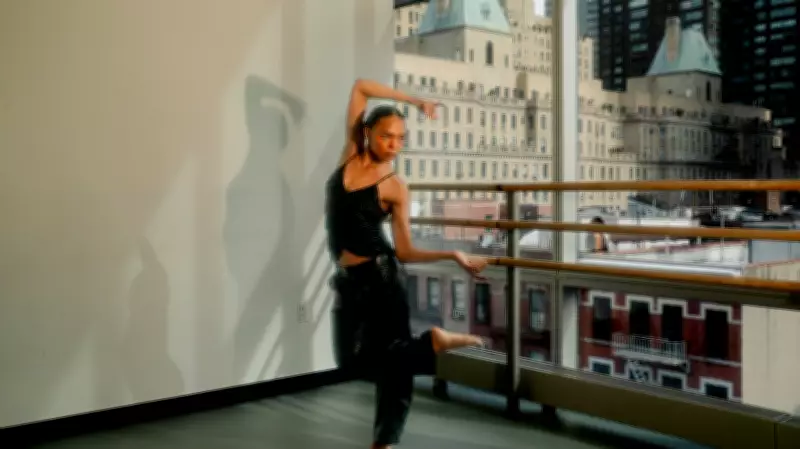
To ensure authenticity, I am assembling an advisory team from the community, including Alvin Ailey dancer Samantha Figgins, Brooklyn Councilperson Shahana Hanif, and disability activist Cozashay Marie, to guide content development. Lastly, we cannot ignore the current U.S. administration's active suppression of disabled people's rights. Let us use this space to effect change, however incremental, and be vocal and unapologetic in our beliefs, united in purpose.