Beatles Legend Takes Stand Against Artificial Intelligence in Music
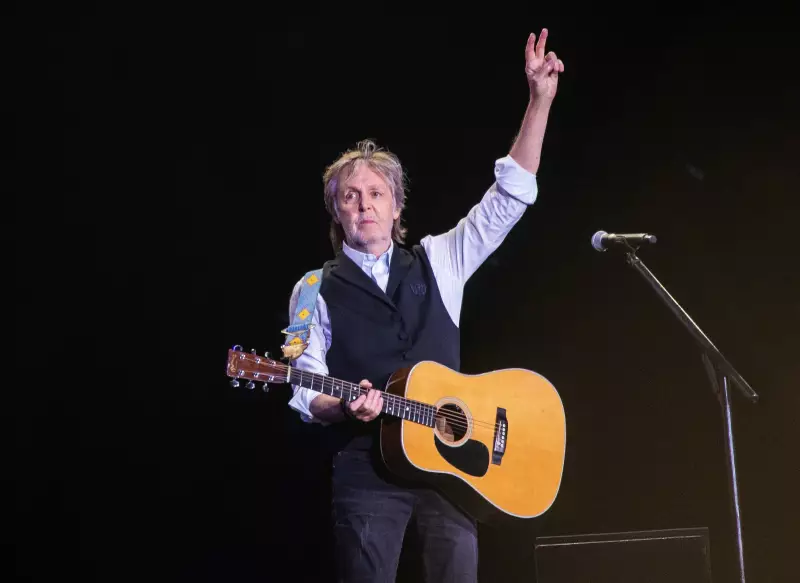
Music icon Paul McCartney has announced the release of a revolutionary silent protest song aimed at challenging the growing influence of artificial intelligence in the music industry. The former Beatles member, now 83, continues to push artistic boundaries with this unexpected creative statement scheduled for November 2025.
The announcement comes as artificial intelligence technology becomes increasingly sophisticated in replicating and generating musical content, raising significant concerns among artists worldwide about creative ownership and artistic integrity.
The Concept Behind the Silent Protest
McCartney's silent AI protest song represents a bold artistic statement against what many musicians perceive as the dehumanization of music creation. The track, which contains no audible content, serves as both commentary and resistance to AI-generated music that lacks genuine human emotion and experience.

The release date of November 17, 2025 marks a significant moment in the ongoing debate about technology's role in creative industries. McCartney, who has been at the forefront of musical innovation throughout his six-decade career, now positions himself as a defender of human creativity in the digital age.
This isn't the first time McCartney has engaged with AI technology. In recent years, he has used artificial intelligence to extract John Lennon's voice from old demos for final Beatles recordings, demonstrating his nuanced approach to the technology while maintaining concerns about its broader implications.
Industry Context and Growing Concerns
The music industry has seen rapid advancement in AI capabilities, with programs now able to generate complete songs in the style of specific artists without their involvement or consent. This has sparked legal and ethical debates about copyright protection and artistic authenticity.
McCartney's protest arrives at a critical juncture when major record labels and streaming platforms are developing policies to address AI-generated content. Many established artists have expressed concerns about their voices and styles being replicated without permission or proper compensation.
The silent song format represents a powerful symbolic gesture, suggesting that some artistic expressions cannot be replicated or replaced by algorithms. Industry analysts predict this move will inspire broader conversations about preserving human elements in music creation.
McCartney's protest follows his recent headline performance at the Glastonbury Festival in 2022, where he demonstrated the enduring power of live human performance. The contrast between that celebrated appearance and his current AI protest highlights the spectrum of his engagement with music's evolving landscape.
Potential Impact and Artist Reactions
Music industry experts anticipate that McCartney's high-profile protest will amplify ongoing discussions about regulating AI in creative fields. As one of the most successful musicians in history, his stance carries significant weight within the global music community.
Several prominent artists have already voiced support for McCartney's initiative, seeing it as a necessary intervention in the rapidly changing technological landscape. The silent protest song format challenges conventional notions of what constitutes musical content while making a clear statement about artistic values.
The release timing in late 2025 positions McCartney at the forefront of what many predict will be a major industry reckoning with artificial intelligence. Legal experts note that current copyright laws may need substantial updates to address the unique challenges posed by AI-generated music.
As fans and critics await the official release, the music world watches closely how this unconventional protest will influence both public perception and industry practices regarding artificial intelligence in creative expression.