The Washington National Opera (WNO) has announced a significant break from its long-standing home, declaring it will end its arrangement with the John F. Kennedy Center for the Performing Arts. The decision, announced on Friday, cites an irreconcilable conflict with the Center's new financial requirements.
A Decision Driven by Fiscal Reality
In an official statement, the WNO explained the move is necessary to ensure fiscal prudence and meet its obligation to present a balanced budget. As a direct result, the opera company will reduce its upcoming spring season and relocate its performances to new, unspecified venues.
The core issue, according to the WNO, is the Kennedy Center's recently implemented business model. This model requires productions to be fully funded in advance, a condition the opera states is fundamentally incompatible with the complex, long-lead planning and fundraising inherent to large-scale opera productions.

Kennedy Center Confirms "Financially Challenging" Split
The Kennedy Center's side of the story was provided by spokesperson Roma Daravi to The New York Times. Daravi confirmed the separation, calling it a difficult decision made after careful consideration. She attributed the split to a "financially challenging relationship" with the Washington National Opera.
This departure occurs amidst a period of notable turbulence for the prestigious arts institution. The controversy began early last year when President Donald Trump ousted the center's previous leadership and arranged to head the board of trustees himself.
Artist Boycotts and a Contentious Rebrand
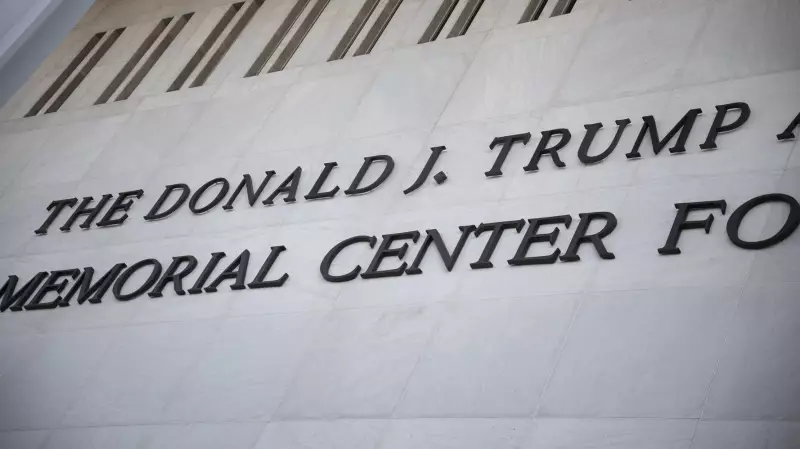
That leadership change triggered a wave of cancellations from prominent artists, including Hamilton creator Lin-Manuel Miranda and rock musician Peter Wolf. The situation escalated further in December when the board decided to rebrand the venue as the Trump-Kennedy Center.
This rebranding prompted a fresh wave of event cancellations, though the WNO's announcement on Friday did not explicitly mention President Trump or the name change as factors in its decision. The opera's statement focused solely on the operational and financial incompatibility with the Center's new funding mandate.
Despite the decisive split, the Washington National Opera expressed hope for an "amicable transition" as it navigates this major operational shift and seeks new performance spaces in the nation's capital.