Calgary Opera's Hansel and Gretel Reimagined Through Puppetry and Playful Translation
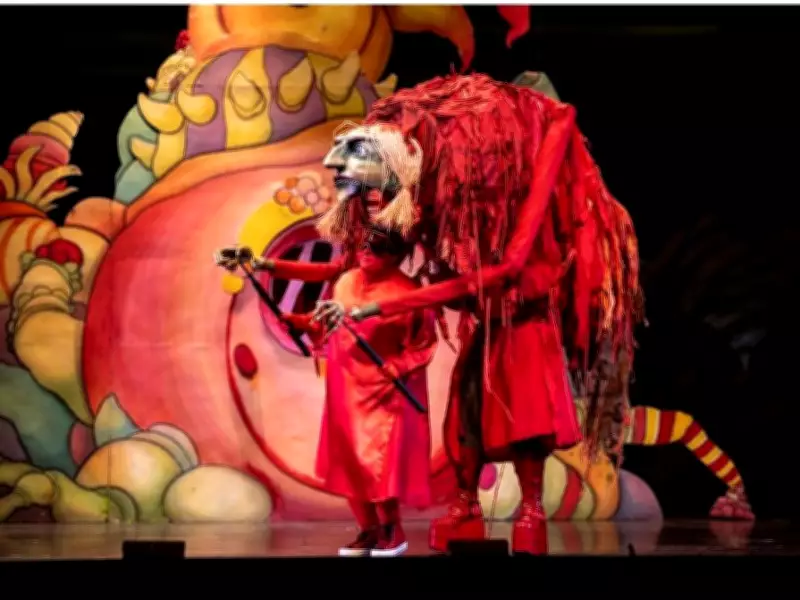
Engelbert Humperdinck's beloved fairy tale opera Hansel and Gretel made a triumphant return to the Calgary Opera main stage last weekend, marking its first appearance in many years. As the second of the company's three annual productions, this warmly received performance captivated a large first-night audience with its innovative approach. The production's success can be largely attributed to the striking involvement of The Old Trout Puppet Workshop, whose creative contributions gave the familiar opera a distinctive and memorable visual identity.
A Production with Deep Local Roots and International History
This staging represents a remount of a production first seen at Vancouver Opera approximately a decade ago. Designed with original sets, costumes, and puppets created for that initial run, the production has since toured several American cities and is now owned by Kentucky Opera, from whom Calgary Opera rented it. Brenna Corner, artistic director of Pacific Opera in Victoria and the original director, returns to helm this production, bringing a sense of homecoming to the performance. This feeling is particularly poignant given that The Old Trout Puppet Workshop was founded in Southern Alberta and is now based in Calgary, creating a meaningful local connection for the production.
Puppetry as Central Storytelling Device
Corner's creative vision places puppetry at the very heart of the opera, utilizing it not merely as decorative elements but as essential storytelling tools that enhance the narrative experience. She has also provided her own English translation of the libretto, replacing the more familiar folk-style Ruth and Martin version commonly used in previous productions. Her translation is notably freer and more playful, featuring a consciously literary tone that introduces a deliberate degree of distance between the adult audience and the children's world depicted on stage.

This artistic distancing reflects Corner's broader thematic aim: to present the opera simultaneously as a child's fairy tale and as an adult's reflective exploration of that world. Through this dual perspective, the production invites audiences of all ages to engage with the material on multiple levels, appreciating both the surface narrative and its deeper psychological implications.
Balancing Dark Themes with Affirmative Interpretation
Although Corner acknowledges the darker, Jungian aspects of the story in her program remarks, these elements are only lightly emphasized in the actual production and are largely confined to the forest and nocturnal scenes. Even the stepmother character, often portrayed as cruel and villainous in traditional interpretations, receives sympathetic treatment in this staging. She is presented as a woman pushed to her limits by difficult circumstances, an interpretation that lends greater credibility to her relationship with Peter, the children's father.
This nuanced characterization is particularly evident in the first act and helps reinforce the opera's ultimately affirmative conclusion. The production manages to balance the story's darker undertones with a sense of hope and resolution, creating a more complex emotional journey for the audience.
Memorable Puppetry and Musical Highlights
The puppetry throughout the production proved consistently engaging and inventive, with particular highlights including the will-o'-the-wisps and various forest creatures featured in the second act. The skillful interweaving of comedy and darker fantasy elements created a rich theatrical tapestry that led naturally into the opera's most celebrated sequence: the prayer duet followed by the dream ballet. Once again, this segment stood out as the emotional high point of the evening, demonstrating the production's ability to balance technical innovation with genuine emotional impact.
The witch character, depicted as a Maurice Sendak-style puppet, was handled effectively despite the inevitable limitation that a ground-bound puppet cannot fully suggest a broomstick flight. The creative team worked around this constraint through clever staging and imaginative presentation, maintaining the character's menacing presence while acknowledging the practical realities of puppetry.

Calgary Opera's 2026 production of Hansel and Gretel represents a significant achievement in operatic staging, successfully blending traditional musical elements with innovative visual storytelling. Through its creative use of puppetry, thoughtful translation, and balanced interpretation of the source material, the production offers both longtime opera enthusiasts and new audiences a fresh perspective on a classic work. The local connection provided by The Old Trout Puppet Workshop adds an extra layer of significance to this production, making it a particularly meaningful addition to Calgary's cultural landscape.