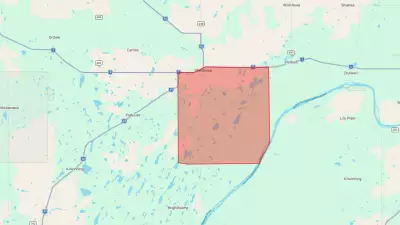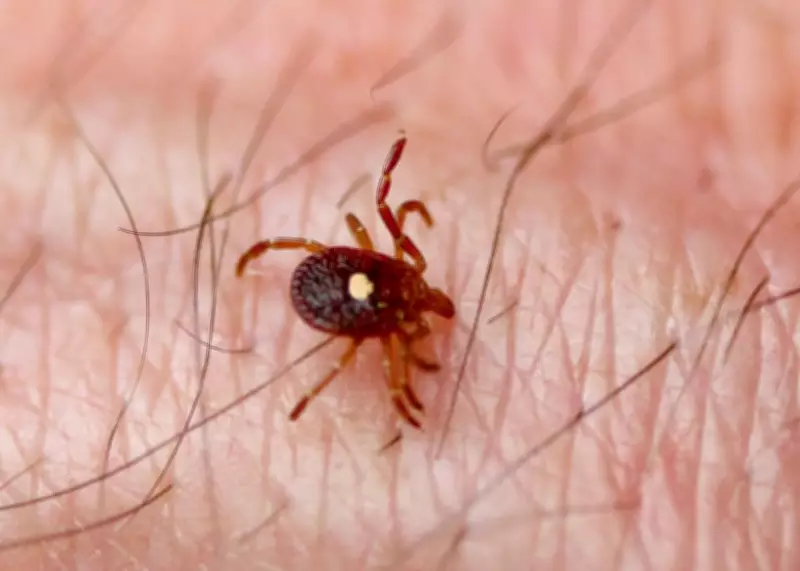
Tick season has officially arrived in Windsor-Essex, and public health officials are urging residents to take precautions. The region’s mild spring weather has created ideal conditions for ticks, which can carry Lyme disease and other infections.
Why Tick Season Matters
Ticks are most active from spring through fall, with peak activity in May and June. In Windsor-Essex, black-legged ticks (deer ticks) are the primary carriers of Lyme disease. Early detection and removal are crucial to prevent infection.
Health Risks
Lyme disease symptoms include fever, headache, fatigue, and a characteristic bullseye rash. If untreated, it can spread to joints, the heart, and the nervous system. Other tick-borne illnesses, such as anaplasmosis and babesiosis, are also a concern.

Prevention Tips
- Wear protective clothing: Long sleeves, pants, and closed-toe shoes when in wooded or grassy areas.
- Use insect repellent: Products containing DEET or icaridin are effective.
- Check for ticks: After outdoor activities, inspect your body, clothing, and pets.
- Shower soon after: Showering within two hours can help remove unattached ticks.
What to Do If You Find a Tick
Remove it promptly with fine-tipped tweezers, grasping the tick as close to the skin as possible and pulling upward steadily. Clean the bite area with rubbing alcohol or soap and water. Monitor for symptoms and consult a healthcare provider if a rash or fever develops.
Public Health Response
The Windsor-Essex County Health Unit is monitoring tick populations and providing educational resources. They recommend reporting any tick sightings to help track risk areas. Residents can also submit ticks for testing through local health services.
Stay informed and enjoy the outdoors safely this season.