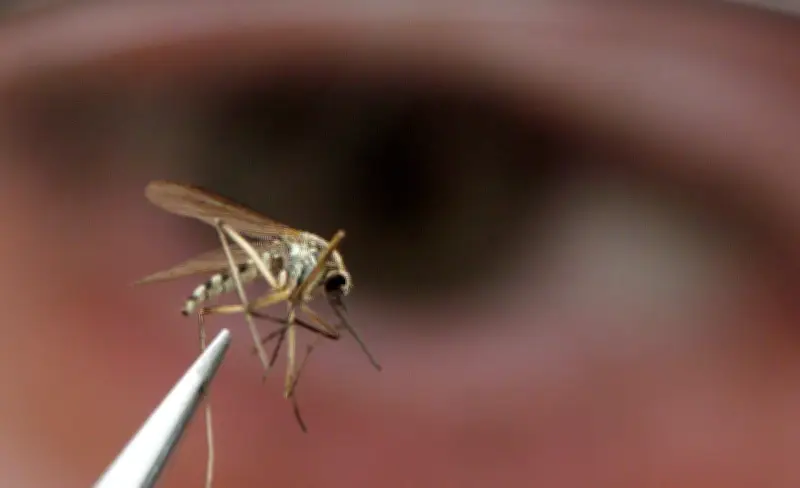
Health authorities in British Columbia have confirmed the presence of West Nile virus in mosquitoes collected from the Sea to Sky region, which stretches from Vancouver to Whistler. The finding came during routine surveillance testing conducted by the regional health authority.
Virus Detected in Mosquito Samples
The positive samples were identified in traps set in the Squamish area. Officials stated that while the risk to humans remains low, the detection serves as a reminder for residents and visitors to protect themselves from mosquito bites. West Nile virus can cause serious illness in some cases, including neurological complications.
Precautionary Measures
Public health recommendations include using insect repellent, wearing long sleeves and pants during dawn and dusk when mosquitoes are most active, and removing standing water around homes to reduce breeding sites. The health authority is conducting additional monitoring to assess the spread of the virus.

No human cases have been reported in the region so far this year. Last year, British Columbia recorded a handful of human infections, mostly mild. Officials emphasize that most people infected with West Nile virus do not develop symptoms, but those who do may experience fever, headache, and body aches.
The Sea to Sky region is a popular tourist destination, and health officials are coordinating with local municipalities to disseminate information. They also advise that people over 50 and those with weakened immune systems are at higher risk for severe illness.
Ongoing Surveillance
Mosquito monitoring programs are conducted annually in B.C. to track the presence of West Nile virus and other mosquito-borne diseases. The detection in the Sea to Sky area underscores the importance of these programs in protecting public health.