Anti-Whaling Campaigner Voices Opposition to Nova Scotia's Whale Sanctuary Initiative
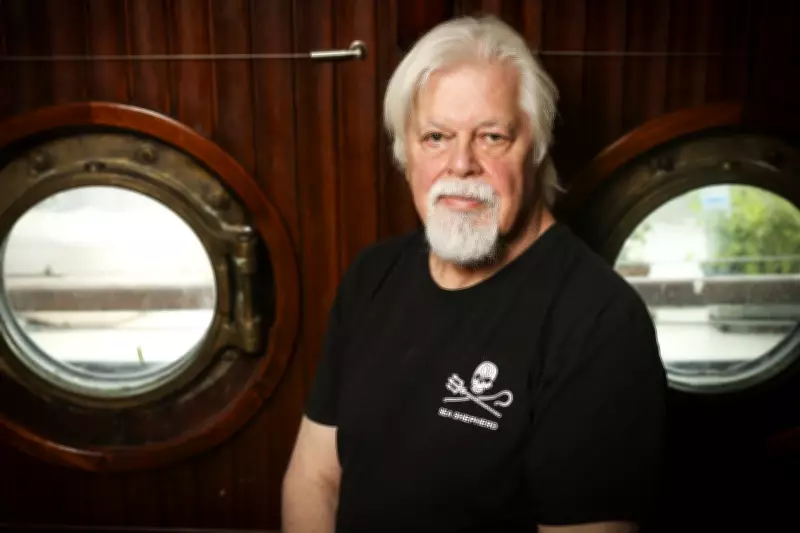
Paul Watson, a well-known figure in the global anti-whaling movement, has launched a pointed critique against Nova Scotia's ambitious Whale Sanctuary Project. The initiative, which aims to establish a protected marine habitat for whales, is facing scrutiny from Watson, who argues that it may not adequately address the core issues facing these majestic creatures.
Watson's Concerns Over Sanctuary Effectiveness
In recent statements, Watson expressed skepticism about the project's potential impact. He emphasized that while sanctuaries can provide temporary refuge, they often fail to tackle the root causes of whale endangerment, such as commercial whaling, habitat destruction, and ocean pollution. "Creating a sanctuary is a step, but it's not a solution," Watson remarked, highlighting the need for more comprehensive conservation strategies.
Watson, who has decades of experience in marine activism, pointed out that similar projects elsewhere have faced challenges in ensuring the long-term well-being of whales. He stressed that without stringent regulations and global cooperation, sanctuaries might become mere symbolic gestures rather than effective tools for species preservation.

Nova Scotia's Project Goals and Response
The Whale Sanctuary Project in Nova Scotia is designed to offer a safe haven for whales rescued from captivity or those in need of rehabilitation. Proponents argue that it represents a significant advancement in animal welfare, providing a natural environment where whales can thrive. However, Watson's criticism has sparked a broader debate about the project's alignment with broader conservation goals.
Local officials and project supporters have acknowledged Watson's concerns but maintain that the sanctuary is a vital component of regional marine conservation efforts. They cite plans for scientific research, public education, and collaboration with international organizations as key elements that will enhance its effectiveness.
Implications for Marine Conservation Policy
This controversy underscores the ongoing tensions in marine conservation between localized initiatives and global advocacy. Watson's stance brings attention to the need for policies that not only protect individual animals but also address systemic threats to whale populations worldwide.
As discussions continue, stakeholders are urged to consider:
- The balance between sanctuary-based protection and broader environmental actions.
- The role of public awareness in driving conservation change.
- Potential collaborations between activists and governmental bodies to strengthen marine policies.
The outcome of this debate could influence future conservation projects in Nova Scotia and beyond, shaping how societies approach the protection of vulnerable marine species in an era of increasing ecological challenges.