German Rescuers Plan Air Cushion Operation to Save Stranded Whale Timmy
In a dramatic rescue effort, German authorities are preparing to use specialized air cushions to save Timmy, a whale that has become stranded on a sandbank off the coast of Kirchdorf on the island of Poel. The innovative plan aims to safely lift and move the distressed marine mammal back into deeper waters, highlighting the urgency of protecting vulnerable wildlife in the face of environmental threats.
Stranded Whale Sparks Urgent Rescue Mission
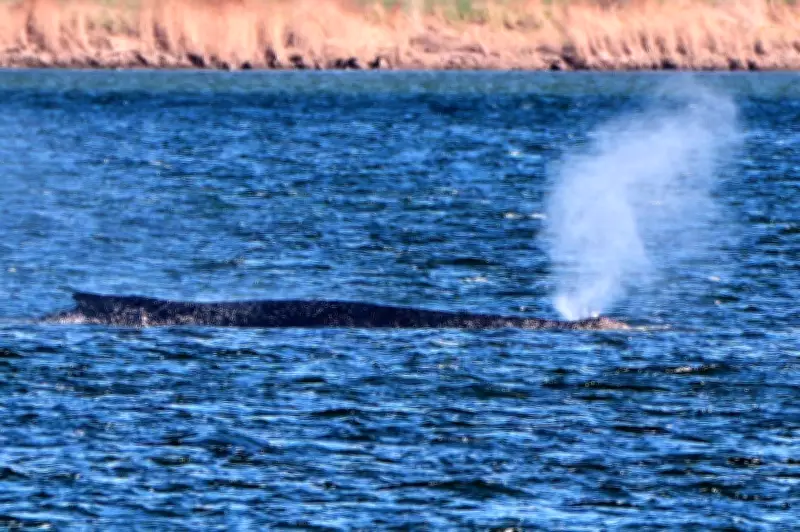
The whale, identified as Timmy, was discovered trapped on a sandbank on Thursday, April 9, 2026, blowing water as it struggled to free itself. Rescuers have been monitoring the situation closely, with concerns growing over the animal's health and survival. The use of air cushions represents a novel approach in marine rescue operations, designed to minimize stress and injury to the whale during the delicate extraction process.
Environmental experts emphasize that such strandings can be caused by factors like changing tides, navigational errors, or underlying health issues in the whale. The rescue team is working against time, as prolonged stranding can lead to dehydration, overheating, or internal damage for the whale. The air cushion method involves inflating large, buoyant pads under the whale to gently lift it off the sandbank, allowing it to be guided back to sea.

Innovative Techniques in Marine Conservation
This rescue effort underscores the growing use of technology and creative solutions in wildlife conservation. Air cushions have been employed in other marine rescue scenarios, but their application to a large whale like Timmy is particularly challenging due to the animal's size and weight. Rescuers are coordinating with marine biologists to ensure the operation is conducted with utmost care, prioritizing the whale's well-being throughout.
The situation in Kirchdorf has drawn attention to broader environmental issues, such as habitat disruption and climate change impacts on marine ecosystems. Strandings like this serve as a reminder of the interconnectedness of human activities and ocean health, prompting calls for increased conservation measures and public awareness.
Community and Global Response
Local communities and international observers are closely following the rescue mission, with many expressing hope for a successful outcome. The operation involves a team of trained rescuers, veterinarians, and volunteers, all dedicated to saving Timmy. If successful, this effort could set a precedent for future whale rescues worldwide, demonstrating the potential of air cushion technology in marine emergencies.
As preparations continue, rescuers are assessing weather conditions and tidal patterns to determine the optimal time for the operation. The goal is to execute the rescue swiftly and safely, giving Timmy a second chance at life in the open ocean. This event highlights the importance of proactive conservation strategies and the role of human ingenuity in safeguarding our planet's precious wildlife.