Alberta Experiences Unprecedented February Warmth, Setting Over 20 New Daytime High Records
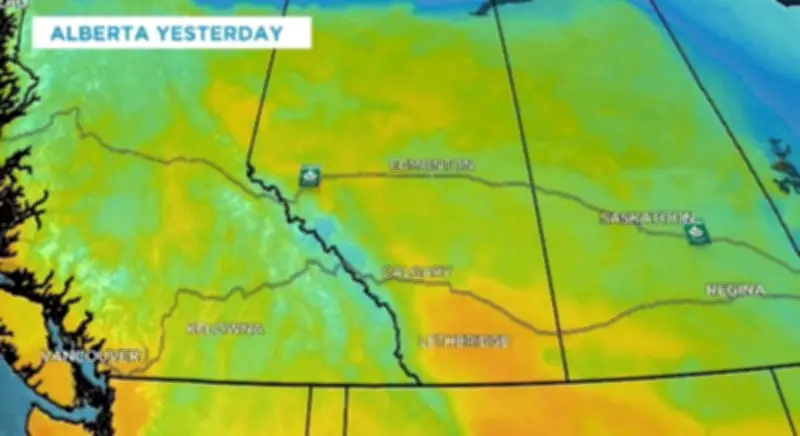
In a remarkable meteorological event, more than twenty distinct locations across the province of Alberta shattered existing daytime high temperature records on Wednesday, February 5, 2026. This widespread warm spell represents a significant deviation from the typical frigid conditions expected during this time of year, raising questions about seasonal weather patterns and broader climatic trends.
Record-Breaking Temperatures Across the Province
Data from Environment and Climate Change Canada confirms that numerous communities, from urban centers to rural areas, experienced temperatures well above historical averages for early February. While specific locations and exact temperature figures were not detailed in the initial report, the sheer volume of records broken underscores the extensive nature of this warm anomaly. Such events are increasingly scrutinized by scientists studying the impacts of climate change on regional weather variability.
Context and Implications of the Warm Spell
This unseasonable warmth in Alberta contrasts sharply with other weather-related news across Canada, such as snowstorms in Toronto and cold snaps in Ontario. The occurrence of multiple high-temperature records in a single day during winter months can have various effects, including:

- Altering snowpack levels and water resource management
- Impact on agricultural planning and frost cycles
- Potential disruptions to winter recreational activities
- Increased public awareness of climate anomalies
Meteorologists often analyze these events to understand whether they are isolated incidents or part of a longer-term trend toward milder winters in certain regions. The data collected from February 5 will contribute to ongoing research into Alberta's climate patterns and resilience planning.
Broader Weather Patterns Across Canada
While Alberta basked in unusual warmth, other parts of the country faced more typical winter challenges. Reports highlighted issues like road salt shortages in Toronto following heavy snowstorms and preparations for incoming snow in various regions. This juxtaposition illustrates Canada's diverse and dynamic climate, where extreme weather events can occur simultaneously in different provinces.
The record-breaking day in Alberta serves as a reminder of the importance of monitoring and adapting to changing weather conditions. As communities across the province experienced this unexpected warmth, it prompted discussions about preparedness for climate variability and the need for updated infrastructure and policies to handle such anomalies.