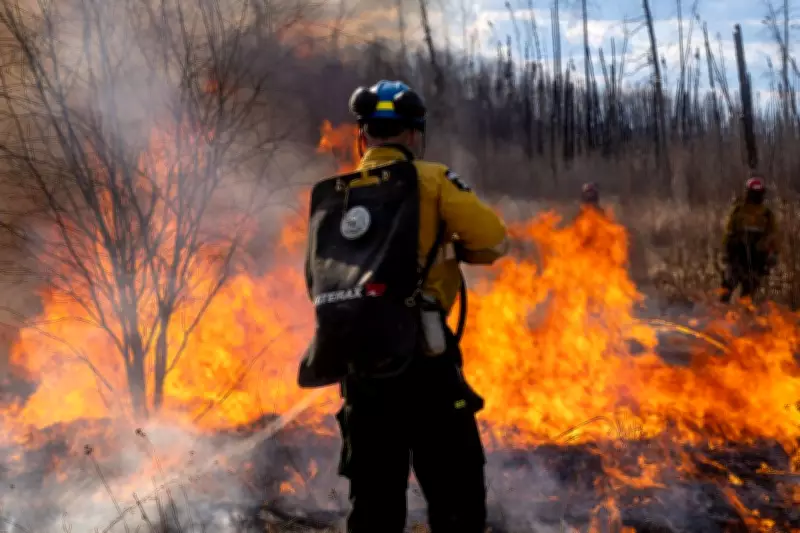
Alberta Wildfire Preparations Intensify as Critical Spring Weeks Approach
Alberta's next wildfire season officially commences on March 1, marking one of the earliest starts among Canadian provinces. With less than two weeks remaining until the season begins, provincial authorities have already initiated comprehensive preparations, even as a recent cold snap temporarily altered conditions. However, officials emphasize that the weather patterns during the crucial upcoming weeks of April and May will ultimately dictate the severity of this year's wildfire activity.
High-Risk Period Defined by Spring Conditions
Christie Tucker, Information Unit Manager for Alberta Wildfire, provided clear insight into the most vulnerable timeframe. "The point of the year where we're at the highest risk of wildfire is really that part of the spring where the snow has melted, but we haven't got any green grass yet," Tucker explained. She elaborated that the ideal scenario involves a gradual spring thaw that promotes rapid grass growth and trees turning green, which significantly reduces fire risk by adding moisture to the environment.
"What we're looking for is a nice gradual spring thaw where we get grass growing pretty quickly and trees turning green. That's the biggest boost to us," Tucker stated. Conversely, the highest danger emerges when snowmelt occurs while the ground remains frozen, causing water to runoff rather than nourishing new vegetation.

Early Activity and Preparations Underway
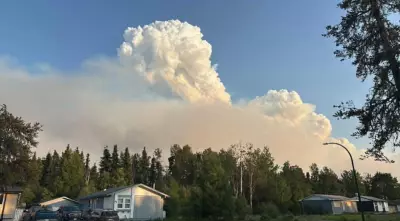
Despite the official March 1 start date, Alberta has already experienced wildfire activity this calendar year, with 27 fires recorded across the province. Tucker confirmed that hiring and training of firefighting personnel, along with strategic hazard reduction burns, have commenced in anticipation of the season. "We have been busy fighting fire already, and we've been busy preparing for what's to come," she said. "We start preparing as soon as the past wildfire season is over."
Minister Highlights Critical Months Ahead
Forestry and Parks Minister Todd Loewen addressed the situation during a recent press conference, noting that while early forecasts predict no unusual weather for March, April and May present the greatest concern. "That's when we have a lot of issues with wildfire, and so if we have some timely rains in May, we'll have a good year ahead of us. And if we don't, then it could be tough, but still too early to tell," Loewen remarked, highlighting the uncertainty that characterizes wildfire forecasting.
Regional Concerns and Drying Trends
The recent cold snap and substantial snowfall have provided temporary relief after unseasonably warm and dry conditions dominated the first six weeks of the year, a pattern Alberta Wildfire anticipates may persist. Tucker identified specific areas of concern, particularly southern Alberta where dry conditions have already manifested and several wildfires have occurred. "We've seen a lot of dry conditions in the south, and as I said, we've already had a couple of wildfires down there, and we are anticipating some warmer, long term trends," she reported.
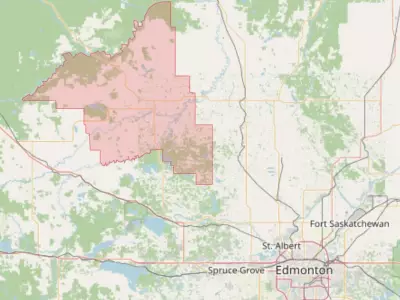
Another region under close scrutiny spans the central boreal area from Peace River to Lac La Biche. Tucker emphasized that this area experienced exceptionally dry conditions last year, describing it as "a one in 50 years lack of rain." Starting the new season with such pre-existing dryness places this zone under particular watch by wildfire officials.
As Alberta enters this pivotal period, the combination of ongoing preparations and the unpredictable spring weather will shape the narrative of the 2026 wildfire season, with all eyes on the critical weeks when snow recedes but greenery has yet to emerge.