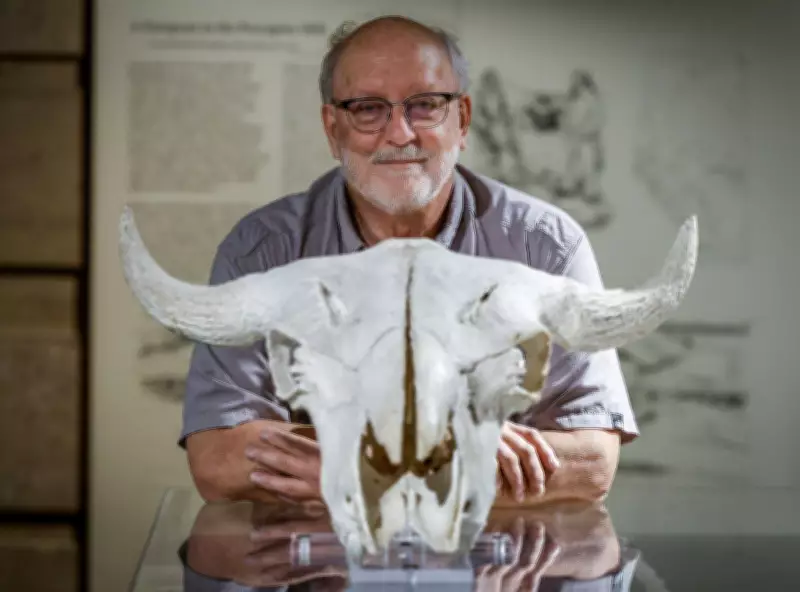
Archaeologist Robert Dawe has spent decades studying one of Canada's most significant Indigenous heritage sites, Head-Smashed-In Buffalo Jump. Located near Fort Macleod, Alberta, this UNESCO World Heritage Site is a testament to the ingenuity of Plains Indigenous peoples who used the natural landscape to hunt bison for thousands of years.
A Lifelong Connection to the Land
Dawe, who began his work at the site in the 1990s, describes it as 'the perfect trap.' The buffalo jump consists of a cliff and a series of drive lanes that Indigenous hunters used to guide herds to their demise. Over 30 years, Dawe has unearthed countless artifacts and bones, piecing together the story of a practice that sustained communities for millennia.
The Significance of the Site
Head-Smashed-In Buffalo Jump is one of the oldest and best-preserved buffalo jumps in North America. It was used for nearly 6,000 years, with layers of cultural deposits revealing the evolution of hunting techniques. Dawe notes that the site is not just an archaeological treasure but also a sacred place for Indigenous peoples, representing resilience and deep ecological knowledge.

Dawe's reflections come as the site continues to attract researchers and visitors from around the world. He emphasizes the importance of preserving such places for future generations, as they offer invaluable lessons about sustainable living and community cooperation.
Challenges and Rewards
Working at Head-Smashed-In has not been without challenges. Dawe has faced harsh weather, difficult terrain, and the painstaking process of excavating fragile remains. Yet, he finds immense reward in uncovering history and sharing it with the public. 'Every bone tells a story,' he says, 'and it's our job to listen.'
Dawe's career also highlights the collaboration between archaeologists and Indigenous communities. By working together, they have been able to protect the site and ensure that Indigenous perspectives are central to its interpretation. This partnership has been key to the site's success as a world heritage location.
As Dawe looks back on his decades of work, he hopes that Head-Smashed-In will continue to inspire awe and respect for the land and its original stewards. 'It's a place that connects us to our past and reminds us of our responsibility to the future,' he concludes.