Austria's Glaciers in Rapid Retreat: 94 Out of 96 Shrink Over Two Years
A stark new assessment of Austria's glacial landscape reveals an alarming trend of rapid ice loss across the country. According to recent data, an overwhelming 94 out of Austria's 96 monitored glaciers have retreated over the last two years, underscoring the profound and accelerating impacts of climate change in the Alpine region.
The findings paint a concerning picture of environmental transformation, with only two glaciers showing any form of stability or minimal advance. This near-universal retreat signals a significant shift in the delicate balance of Austria's high-altitude ecosystems, which are highly sensitive to temperature fluctuations and changing precipitation patterns.
Accelerating Ice Loss in the Alps
Experts monitoring these icy giants note that the rate of retreat has been particularly pronounced in recent years. The consistent warming trends, coupled with reduced winter snowfall and increased summer melting, have created conditions where glaciers are losing mass at an unprecedented pace. This phenomenon is not isolated to Austria but is part of a broader pattern observed across the European Alps and other mountain ranges worldwide.

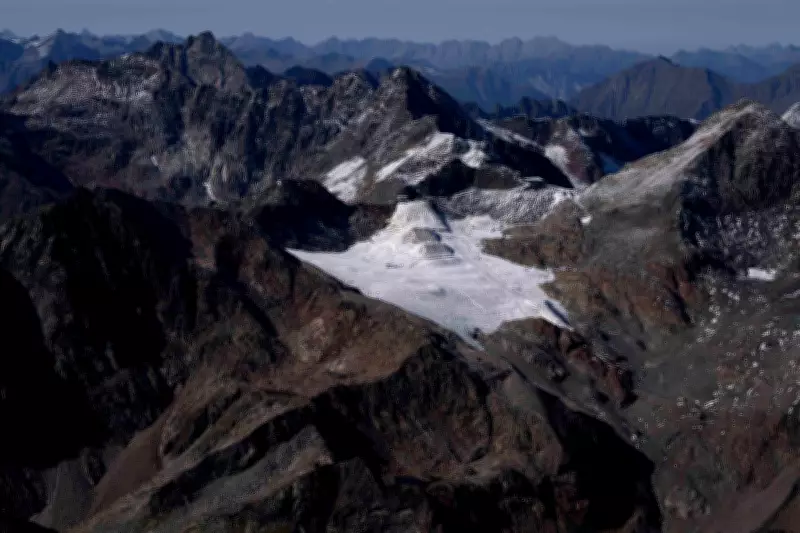
The visual evidence of this retreat is becoming increasingly apparent. Glaciers that once dominated valleys are receding upslope, leaving behind exposed rock and moraine. This transformation affects not only the landscape's aesthetics but also has practical implications for water resources, tourism, and local biodiversity.
Implications for Water Resources and Ecosystems
The retreat of Austria's glaciers carries significant consequences for the country's water supply. Glaciers act as natural reservoirs, storing water in the form of ice and releasing it gradually during warmer months. As these ice masses diminish, the reliable summer meltwater that many communities and ecosystems depend on becomes less predictable, potentially leading to water scarcity issues in the future.
Furthermore, the changing glacial environment disrupts specialized habitats that have evolved to thrive in cold, ice-adjacent conditions. Species adapted to these niches may face increased pressure as their habitats shrink or disappear entirely. The loss of glacial ice also contributes to rising sea levels globally, albeit as part of a larger complex system of ice melt from polar regions and other mountain glaciers.
A Broader Climate Change Indicator
Scientists emphasize that the state of Austria's glaciers serves as a clear indicator of broader climate change trends. The rapid retreat observed over just two years aligns with global temperature increases and changing atmospheric patterns. This makes glacial monitoring not just a regional concern but a vital component of understanding worldwide climate dynamics.
While natural variability plays a role in year-to-year changes in glacial behavior, the consistent direction of retreat across nearly all of Austria's glaciers points strongly to anthropogenic climate change as the primary driver. This underscores the urgency of implementing measures to mitigate greenhouse gas emissions and adapt to the already unfolding changes in mountain environments.
The situation in Austria mirrors challenges faced by other nations with significant glacial coverage, from Switzerland and Italy to countries in the Himalayas and the Andes. International cooperation on climate action and glacial research remains crucial for addressing these transboundary environmental issues.