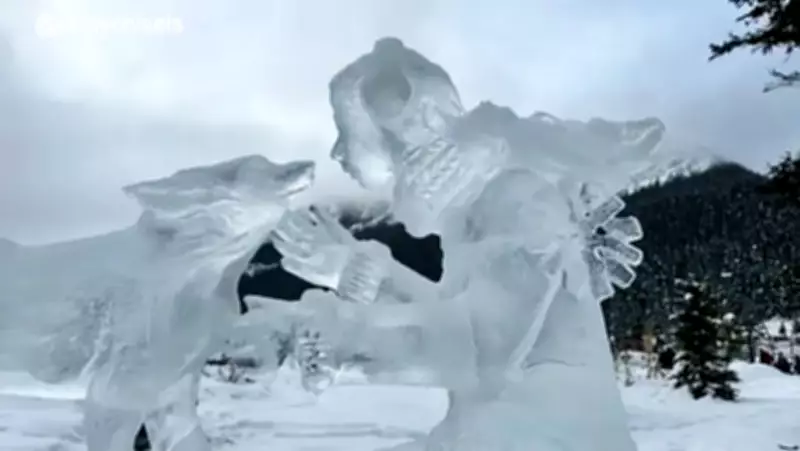
Unseasonable Warmth Forces Cancellation of Ice Magic Festival for Second Straight Year
For the second consecutive year, unseasonably warm temperatures have led to the premature melting of intricate snow and ice sculptures at Lake Louise in Banff National Park, forcing organizers to cancel the popular Ice Magic festival. This recurring issue underscores the growing challenges that climate variability poses to traditional winter events and tourism in the Canadian Rockies.
Impact on Winter Tourism and Cultural Events
The cancellation of Ice Magic, a key attraction that draws visitors from across Canada and internationally, represents a significant blow to local tourism operators and the regional economy. The festival typically features stunning ice carvings created by talented artists, but the warm weather has rendered the sculptures unstable and unsafe for public viewing. This repeat occurrence highlights a troubling trend for winter-dependent communities in Alberta.
Historical context reveals that similar melting incidents occurred in 2024, suggesting that these warm spells may be becoming more frequent rather than isolated anomalies. Local businesses that rely on winter tourism are expressing concern about the long-term viability of such events if current climate patterns persist.

Broader Environmental Implications
This event occurs amidst a series of temperature records falling across British Columbia and other parts of Western Canada, indicating a regional warming trend. The melting sculptures serve as a visible symbol of how climate change is affecting not just natural environments but also cultural and economic activities.
Environmental scientists note that the Canadian Rockies have experienced warmer-than-average temperatures throughout recent winters, with implications for snowpack, glacier retreat, and ecosystem stability. The repeated cancellation of Ice Magic due to melting conditions provides tangible evidence of these broader environmental shifts.
Community Response and Adaptation Strategies
Local organizers and tourism officials are now considering adaptation measures to preserve winter events despite changing climate conditions. Potential solutions being discussed include:
- Adjusting event timing to colder periods of the winter season
- Implementing enhanced cooling technologies for ice preservation
- Developing indoor alternatives for winter art exhibitions
- Creating more climate-resilient sculpture designs
The situation in Banff mirrors challenges faced by winter tourism destinations across Canada, from Quebec's winter carnivals to Ontario's outdoor skating events, all of which must contend with increasingly unpredictable winter weather patterns.
Looking Forward: The Future of Winter Festivals
As climate models predict continued warming trends across Canada, event organizers nationwide are reevaluating traditional approaches to winter celebrations. The experience in Banff serves as a case study in how communities must balance preservation of cultural traditions with adaptation to environmental realities.
The repeated melting of the Lake Louise sculptures not only disappoints visitors and artists but also raises important questions about sustainable tourism practices in a changing climate. How Canadian communities respond to these challenges will shape the future of winter culture and tourism for generations to come.