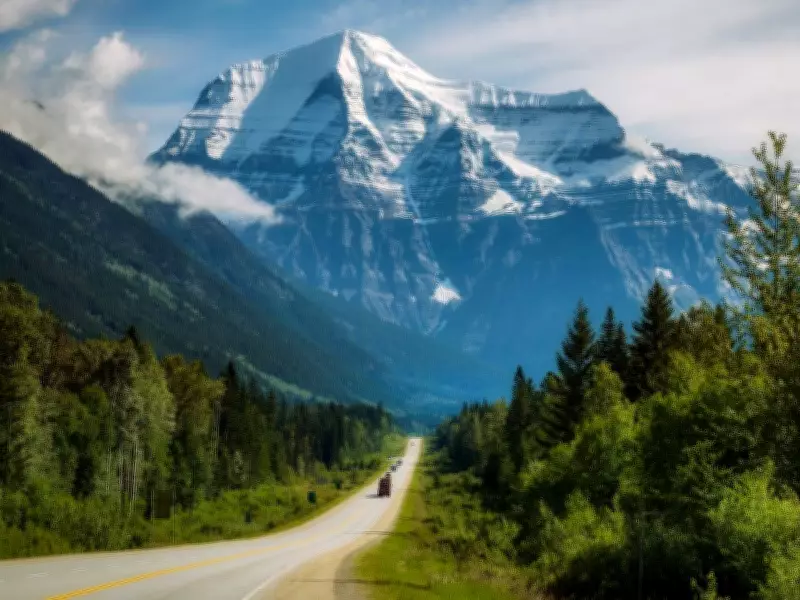
The B.C. government has announced a complete closure of all lakes and rivers in Mount Robson Provincial Park to recreational use beginning Monday, May 4, 2026, as a precautionary measure to prevent the spread of whirling disease in fish populations. The ban is aimed at protecting the Fraser River watershed from this highly infectious aquatic disease.
Details of the Closure
The Ministry of Environment and Parks confirmed that the use of watercraft and wading gear will be prohibited in all water bodies within the park. This includes both motorized and non-motorized boats such as canoes, kayaks, and paddleboards, as well as waders and boots commonly used for fishing. The restrictions mirror similar measures recently implemented in Banff and Jasper national parks to curb the spread of aquatic invasive species.
Preventive Measures
Although whirling disease has not been detected at Mount Robson Park, officials emphasized that there is no treatment for the disease, making prevention critical. The closure is part of a broader effort by B.C. Parks and Parks Canada to protect parks across the Rocky Mountains. Similar restrictions are already in place in Yoho, Kootenay, and Waterton national parks, as well as Mount Assiniboine Provincial Park.

Whirling disease is caused by a microscopic parasite that attacks the head, spinal cord, and nervous tissue of fish, leading to erratic swimming behavior and often death. The disease primarily affects juvenile trout, salmon, and whitefish. It can spread through the movement of fish, mud, or water, and can attach to outdoor recreation equipment.
History and Impact
The first case of whirling disease in Canada was detected in Banff in 2016. B.C. recorded its first case in December 2023 at Yoho National Park in the Columbia River watershed, and it has since spread to Kootenay Lake. The ministry assured that the disease poses no health risk to humans or pets.
Conservation groups have expressed concerns about the threat of invasive species to B.C. waterways, including mussels and parasites. The closure at Mount Robson Park is seen as a proactive step to safeguard the region's aquatic ecosystems.