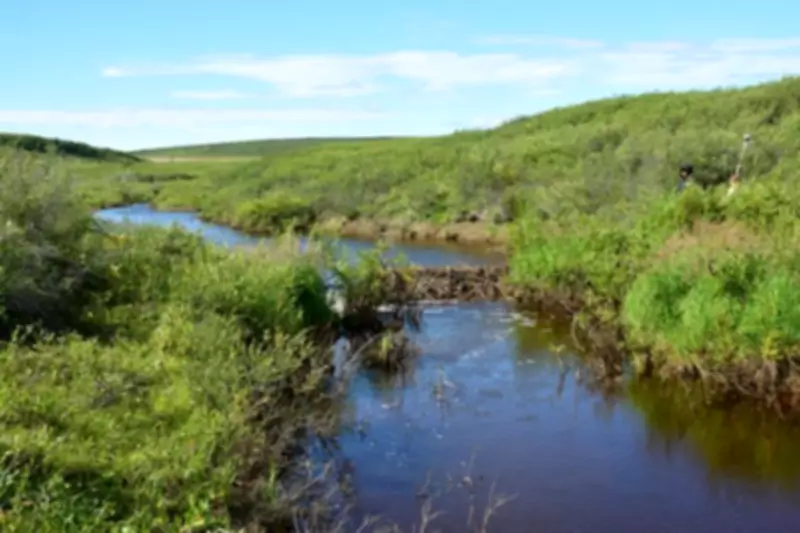
Beavers are increasingly moving into the Arctic, transforming Canadian landscapes as they build dams and alter waterways. A new study highlights how these industrious rodents are reshaping ecosystems in the Inuvialuit Settlement Region of the Northwest Territories.
Beaver Expansion in the North
Researchers have observed beavers colonizing areas previously too cold for their survival. As Arctic temperatures rise, beavers are pushing northward, creating ponds that flood tundra and accelerate permafrost thaw. Dr. Helen Wheeler of Anglia Ruskin University, who led the study, notes that beaver dams in the Trail Valley area have caused significant changes to river systems.
Impact on Permafrost and Climate
The ponds created by beaver dams trap heat, leading to deeper thaw of permafrost. This releases stored carbon dioxide and methane, potentially exacerbating climate change. The study estimates that beaver activity could increase greenhouse gas emissions from the region.

Ecological Consequences
While beavers create new habitats for some species, they also disrupt traditional land use for Indigenous communities and alter fish migration patterns. The changes are most pronounced in low-lying areas where water spreads widely.
Researchers emphasize the need for continued monitoring as beaver populations expand northward, with potential feedback loops that could accelerate Arctic warming.