Avian Influenza Triggers Ecological Crisis in Antarctica
A severe outbreak of highly pathogenic avian influenza is wreaking havoc on wildlife populations across Antarctica, with scientists issuing dire warnings about the potential for catastrophic ecological consequences. The viral disease, which has spread to the remote continent, is causing significant mortality among various bird species, particularly impacting penguin colonies.
Penguin Populations Under Siege
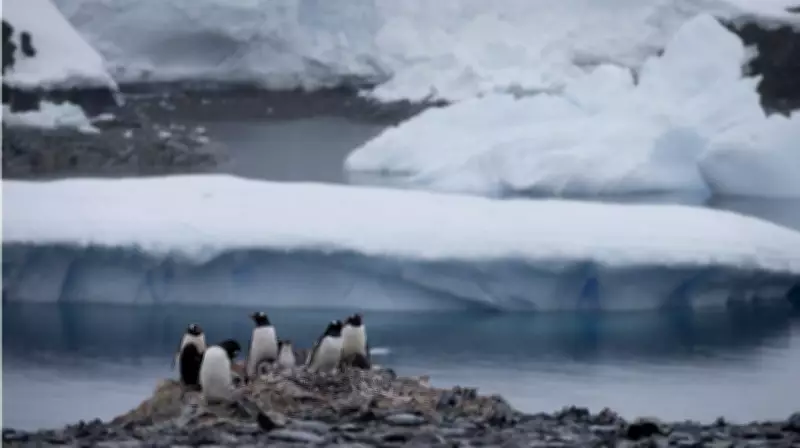
Researchers monitoring Antarctic ecosystems have documented alarming death rates among gentoo penguins and other seabirds. The virus appears to be spreading rapidly through colonies, with vulnerable populations showing little natural immunity to the strain. This represents one of the most serious wildlife health emergencies ever recorded in the Antarctic region, according to biologists studying the outbreak.
The situation is particularly concerning because many Antarctic species have evolved in isolation with limited exposure to pathogens from other continents. Their immune systems may be poorly equipped to combat this novel threat, potentially leading to population collapses that could take decades to recover, if recovery is possible at all.

Transmission and Environmental Factors
Scientists believe the virus likely reached Antarctica through migratory birds or human activity, though the exact transmission pathway remains under investigation. The cold Antarctic environment may be influencing the virus's persistence and spread, with researchers examining how climate patterns and changing conditions could be exacerbating the outbreak.
Key concerns identified by researchers include:
- Potential for the virus to jump to marine mammals in the region
- Disruption of fragile Antarctic food webs as key species decline
- Long-term genetic impacts on surviving populations
- Challenges of monitoring and responding to outbreaks in remote locations
Scientific Response and Monitoring Efforts
International research teams have intensified monitoring programs across the continent, tracking the outbreak's progression and collecting data on affected species. Biosecurity measures have been enhanced at research stations to prevent further spread through human activity, though containing the virus in wild populations presents enormous logistical challenges.
The scientific community is calling for increased funding and international cooperation to address what many describe as an unfolding environmental disaster. Researchers emphasize that the Antarctic outbreak serves as a warning about how quickly diseases can spread in our interconnected world, even to the most remote ecosystems.
As the situation continues to develop, conservation organizations and governmental bodies are evaluating potential intervention strategies, though options remain limited given Antarctica's protected status and the scale of the outbreak. The coming months will be critical for understanding the full scope of the damage and developing strategies to protect what remains of Antarctica's unique wildlife.