Calgary to Wrap Up Winter with More Warm, Windy Conditions
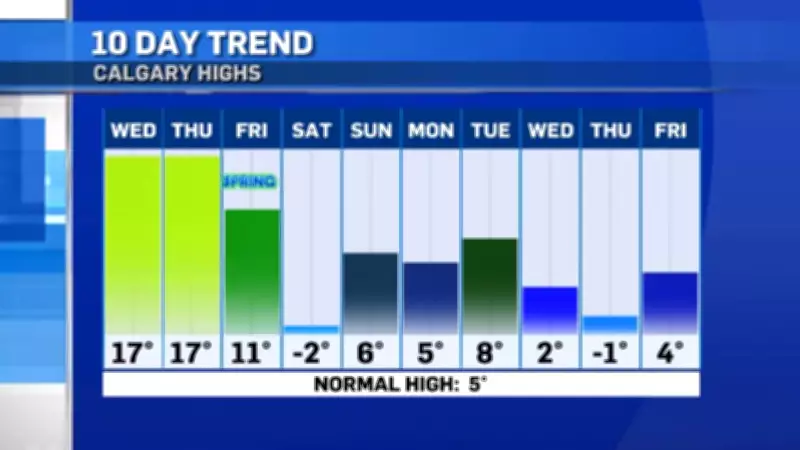
As the winter season draws to a close, Calgary is experiencing a notable shift in weather patterns, characterized by warmer temperatures and increased wind activity. This meteorological transition marks a significant departure from the typical cold and snowy conditions often associated with late winter in the region.
Unusual Weather Patterns Emerge
Meteorological data indicates that Calgary is currently under the influence of a high-pressure system that is bringing unseasonably warm air from the south. This system is interacting with existing atmospheric conditions to create persistent windy episodes across the city and surrounding areas. The combination of rising temperatures and gusty winds is accelerating the melting of any remaining snowpack and creating conditions more commonly associated with early spring.
Climate Context and Regional Impact
These weather developments occur within the broader context of changing climate patterns that have been observed across Western Canada in recent years. While individual weather events cannot be directly attributed to climate change, the trend toward earlier spring-like conditions aligns with broader climatic shifts documented by environmental researchers. The warm, windy conditions are expected to affect various aspects of daily life in Calgary, from outdoor activities to energy consumption patterns as heating demands decrease.

Residents should prepare for:
- Temperature fluctuations with daytime highs significantly above seasonal averages
- Persistent wind gusts that may reach advisory levels in some areas
- Rapid snowmelt leading to potential localized flooding in low-lying regions
- Increased wildfire risk as vegetation dries out earlier than usual
Comparative Analysis with Previous Years
When compared to historical weather data, this year's transition from winter to spring in Calgary appears to be occurring approximately two to three weeks earlier than the 30-year average. Meteorological records show that similar warm, windy patterns have become more frequent in recent decades, with five of the ten warmest late-winter periods occurring since 2010. This trend suggests a gradual shift in seasonal timing that could have long-term implications for the region's ecosystems and agricultural cycles.
Practical Implications for Calgary Residents
The unusual weather conditions present both opportunities and challenges for Calgary's population. On one hand, the warmer temperatures allow for earlier outdoor activities and reduced heating costs. On the other hand, the windy conditions can create hazards for drivers, particularly those operating high-profile vehicles, and may exacerbate allergy symptoms as pollen distribution increases. Municipal authorities are monitoring the situation closely and may issue specific advisories if conditions warrant additional precautions.
As Calgary moves toward spring, residents are advised to stay informed about changing weather conditions through official meteorological channels and adjust their plans accordingly to ensure safety and comfort during this transitional period.