Unseasonable Warmth Disrupts Calgary Winter Events and Raises Environmental Concerns
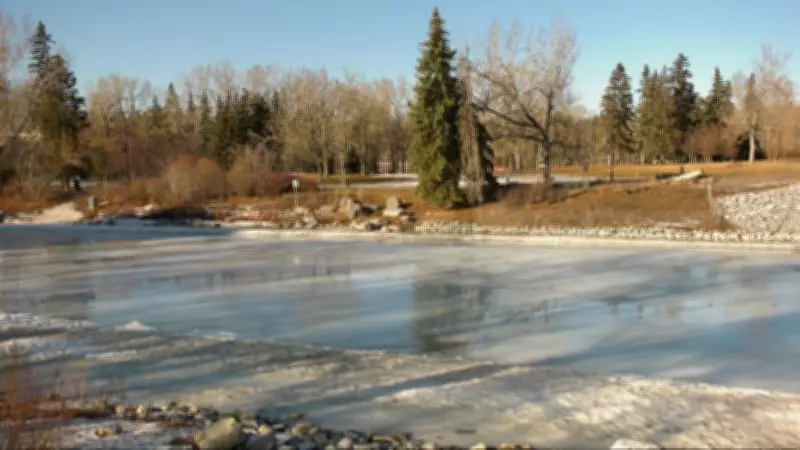
The city of Calgary is experiencing an unprecedented warm spell that is significantly impacting traditional winter activities and raising serious environmental alarms. On Thursday, temperatures soared to such unseasonable highs that organizers were forced to cancel skating on the iconic Eau Claire lagoon due to dangerously melting ice. This event cancellation represents just one visible symptom of a broader pattern affecting the region.
Winter Festival Adaptations and Public Safety Measures
Winter city organizers throughout Calgary are now scrambling to adapt their programming to accommodate these unexpected weather conditions. The warm temperatures have created challenging circumstances for outdoor events that typically rely on cold weather and stable ice conditions. Festival planners are implementing contingency measures while prioritizing public safety above all else.
Public health officials are monitoring the situation closely, as these temperature fluctuations can have unexpected consequences for community health and infrastructure. The rapid melting has created slippery conditions in some areas, while other locations are experiencing premature thawing that affects everything from transportation to recreational facilities.

Elevated Wildfire Risks and Environmental Impact
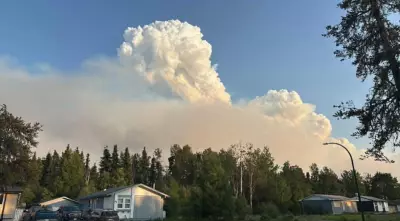
Perhaps more concerning than the festival disruptions is the elevated wildfire risk that accompanies these warm conditions. Alberta's wildfire management teams are already on heightened alert despite it being early February, as the dry, warm weather creates ideal conditions for fires to ignite and spread. This represents a significant departure from typical seasonal patterns and has environmental scientists expressing concern.
The warm weather is also affecting local wildlife, with animals emerging from hibernation prematurely and migratory patterns being disrupted. Conservation experts note that such unseasonable warmth can have cascading effects on ecosystems that have evolved around predictable seasonal cycles.
Broader Climate Context and Regional Comparisons
Calgary's situation is not isolated. Two British Columbia communities recently recorded their warmest February days in history, suggesting a broader regional pattern of unusual winter warmth. These temperature anomalies align with climate models that predict more frequent and intense weather extremes as global temperatures continue to rise.
Meanwhile, contrasting weather patterns are occurring elsewhere in Canada. Toronto is currently under a special weather statement forecasting snow and very cold wind chills, highlighting the dramatic weather variations occurring across the country this winter season.
Community Response and Adaptation Strategies
Local organizations and municipal authorities are developing adaptation strategies to address these changing conditions. Key considerations include:
- Developing more flexible event planning frameworks that can accommodate weather extremes
- Enhancing early warning systems for both public safety and environmental risks
- Investing in infrastructure that can withstand greater temperature fluctuations
- Increasing public education about climate adaptation and emergency preparedness
The current warm spell serves as a reminder that communities must develop greater resilience in the face of changing climate patterns. As Calgary continues to experience these unseasonable temperatures, residents, businesses, and municipal authorities are learning to navigate new challenges while maintaining the city's vibrant winter culture.