Canada's Spring Weather Outlook: A Tale of Two Seasons
As winter's grip begins to loosen, meteorological experts are forecasting a spring season in Canada that will be characterized by two distinct phases. The initial period is expected to bring sluggish and volatile weather patterns, followed by a significant transition to hot and dry conditions as the season progresses. This forecast highlights the increasing variability in seasonal weather that has become more pronounced in recent years.
From Unpredictable Beginnings to Arid Conclusions
The early spring months across Canada are predicted to feature what meteorologists describe as "sluggish" atmospheric patterns. This means weather systems will move more slowly than typical, leading to prolonged periods of similar conditions. However, this sluggishness will be paired with volatility, creating unpredictable swings between different weather types within short timeframes. Residents should prepare for rapid transitions between rain, snow, and mild temperatures during this initial phase.
As spring advances into its later stages, a dramatic shift is anticipated. The sluggish volatility will give way to increasingly hot and dry conditions across many regions of Canada. This transition aligns with broader climate trends that have been observed over the past decade, where spring seasons have gradually become warmer and less precipitation-rich in many parts of the country.

Regional Variations and Climate Context
While the overall pattern suggests a move toward hot, dry conditions, regional variations will certainly occur. Some areas may experience this transition earlier than others, while certain regions might maintain more moderate conditions throughout the season. The forecast reflects ongoing changes in atmospheric circulation patterns that have been influenced by broader climate shifts affecting North America.
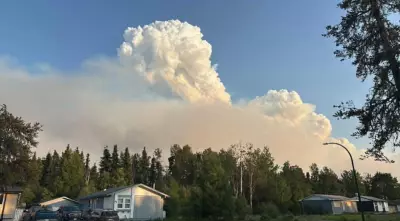
Meteorological data from recent years shows a consistent trend toward earlier spring warming and reduced precipitation during what were traditionally wetter months. This year's forecast continues that pattern, with experts noting that the predicted hot, dry conditions could have implications for agriculture, water resources, and wildfire risks as the season progresses.
Preparing for Seasonal Transitions
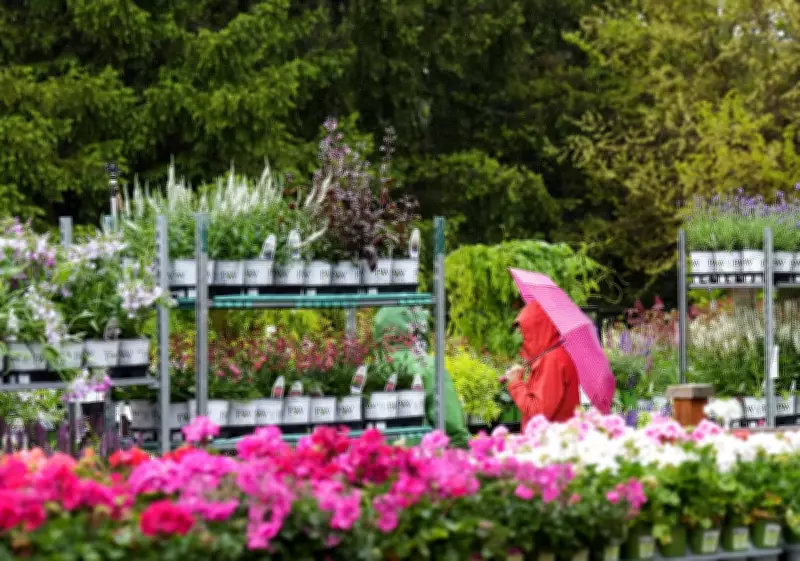
The forecasted weather patterns suggest Canadians should prepare for a spring that begins with unpredictable, changeable conditions before settling into warmer, drier weather. This has practical implications for everything from agricultural planning to outdoor recreation schedules. Gardeners may need to adjust planting timelines, while municipalities might need to prepare for potential water conservation measures if dry conditions persist.
As with all seasonal forecasts, there remains inherent uncertainty in long-range predictions. However, the consensus among meteorological organizations points toward this two-phase spring pattern. Canadians are advised to stay updated with local forecasts as the season unfolds, particularly given the predicted volatility in the early spring period that could bring unexpected weather events before the transition to hotter, drier conditions takes hold.