Prime Minister Mark Carney's recent announcement of a sweeping federal initiative to protect 30 percent of Canada's land by 2030 is generating unexpected controversy, with Indigenous rights organizations and provincial governments raising significant objections to what some are calling a "land grab."
The 30x30 Conservation Target
In late March 2026, Carney unveiled plans to more than double Canada's protected land area over the next four years, aiming to safeguard approximately 3 million square kilometers of terrestrial territory and up to 700,000 square kilometers of ocean. This ambitious target aligns with the Kunming-Montreal Global Biodiversity Framework established at the 2022 United Nations Biodiversity Conference in Montreal, which commits signatory nations to conserve 30 percent of terrestrial and marine areas by 2030.
Immediate Pushback and Criticism
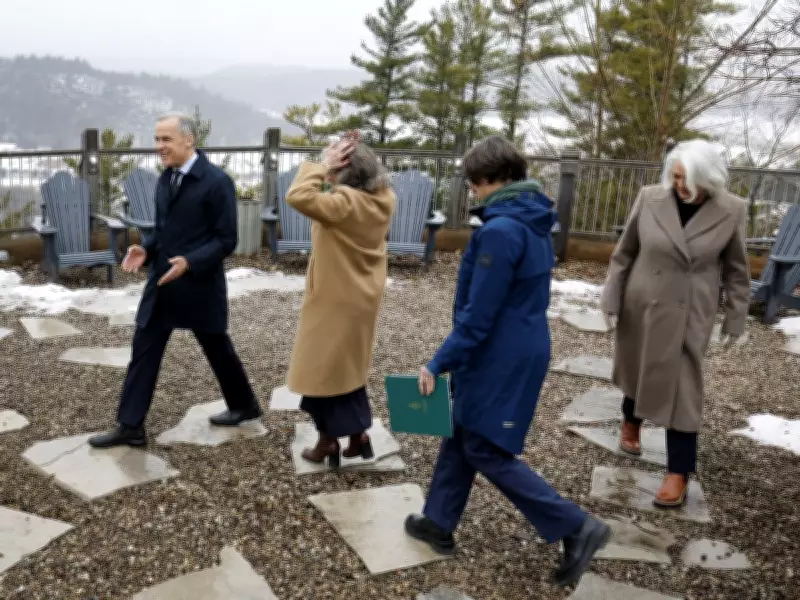
The announcement, made during a photo opportunity at Gatineau Park's Le Belvedere in Wakefield, Quebec, quickly sparked online discussions about government "land lockup" and jurisdictional overreach. Alberta's provincial government has formally expressed discomfort with the federal conservation push, arguing it infringes on provincial authority over land management.

More significantly, a global non-governmental organization advocating for Indigenous peoples' rights has labeled the UN-led initiative "the biggest land grab in history," highlighting concerns about how protected areas might affect Indigenous territories and traditional land uses.
Understanding Protected Land Designations
The 30x30 framework recognizes two primary categories of protected areas. The first includes geographically defined zones such as national parks and wildlife preserves. The second category encompasses "other effective area-based conservation measures" (OECMs), which can include designated greenspaces on military bases, protected watersheds around metropolitan areas, and Indigenous conservation zones.
According to biodiversity expert Rachel Buxton of Carleton University, OECMs will account for approximately eight percent (800,000 square kilometers) of the newly protected land. However, Buxton notes ongoing ambiguity about what qualifies as an OECM and whether these areas meet adequate conservation thresholds.
Development on Protected Lands
Contrary to popular assumption, certain protected lands can still accommodate private development and economic activities under strict biodiversity protection guidelines. These "working landscapes" may permit limited farming, forestry, and resource-based work while maintaining conservation objectives.
Examples range from protected grasslands allowing controlled cattle grazing to more specialized sites like British Columbia's Salt Spring Island Natural Cemetery, Canada's first fully eco-friendly public burial ground offering "green" ceremonies for $4,800.
International Context and Implementation Challenges
Canada joins 195 other nations that signed the Kunming-Montreal framework in 2022, though the United States withdrew from participation under the Trump administration in early 2025. The initiative represents a global effort to address biodiversity loss, but its implementation in Canada faces complex challenges.
The federal government must navigate provincial jurisdiction concerns while addressing Indigenous rights organizations' warnings about potential negative impacts on traditional territories. As Carney's administration moves forward with this conservation strategy, balancing environmental protection with jurisdictional respect and Indigenous consultation will prove critical to the plan's success and legitimacy.