Coast Guard Initiates Arctic Surveillance Flights with Israeli-Made Drone
The Canadian Coast Guard is set to conduct summer test flights using an Israeli-manufactured drone, aimed at significantly enhancing surveillance capabilities in the Arctic region. This move comes as part of broader efforts to strengthen Canada's northern defenses amid growing geopolitical competition.
Drone Acquisition and Operational Shift
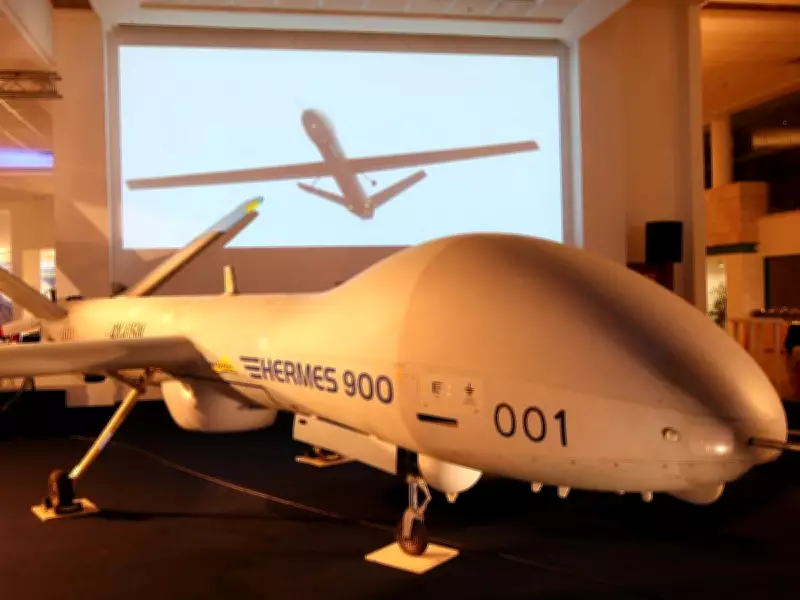
The Hermes 900 StarLiner drone, delivered in September 2025, was originally procured by Transport Canada for tasks such as monitoring oil spills and conducting ice surveys in Canada's north. However, ownership has recently been transferred to the Coast Guard following a restructuring of federal government operations. This shift aligns with the Coast Guard's move from Fisheries and Oceans Canada to the Department of National Defence, a strategic reorganization intended to bolster Arctic security.
Geopolitical Context and Grey-Zone Threats
According to the Macdonald-Laurier Institute, an Ottawa-based think tank, Russia and China are aggressively pursuing their Arctic objectives through sustained presence, data collection, and infrastructure development rather than overt military force. Sweekriti Pathak, in a February 2026 article for MLI, warns that these activities, while not triggering formal defense responses, gradually reshape the strategic environment. Pathak asserts that Canada's current security architecture is inadequately equipped to counter such grey-zone activities, which exploit the region's increasing accessibility due to melting ice and longer navigation windows.

Advancements by Rival Nations
Russia is expanding its Arctic military presence with nuclear icebreakers, revitalized bases along key sea lanes, and extensive seabed surveys. Similarly, China has utilized research vessels to gather critical information about the Northwest Passage. Pathak highlights that both nations are rapidly advancing their Arctic-based drone capabilities, outpacing NATO efforts. This technological race underscores the urgency for Canada to enhance its surveillance and defense mechanisms.
Capabilities of the Hermes 900 StarLiner
Built by Israel's Elbit Systems, the Hermes 900 StarLiner is a medium-altitude, remotely piloted drone with a range exceeding 1,400 nautical miles. Equipped with radar and camera sensors, it was purchased by Canada for approximately $36 million to initially support Transport Canada's National Aerial Surveillance Program in the Arctic. The drone will now play a crucial role in maritime surveillance, including oil spill detection, ice mapping, shipping monitoring, search and rescue operations, and environmental protection, filling gaps left by satellites and manned aircraft.
Broader Defense Investments
In late February 2026, Ottawa announced a substantial investment of $35-40 billion in Arctic defense infrastructure, signaling a commitment to more permanent military operations in the region beyond the warmer months. A February statement from Global Affairs Canada emphasized the need to guard against foreign research in the Canadian Arctic that has dual-use applications, blending scientific and military purposes. This comprehensive approach aims to safeguard national interests amid evolving threats.