Cold Lake First Nation Demands Transparency on Pathway Pipeline Amid Deflection Claims
Chief Kelsey Jacko of Cold Lake First Nation has publicly expressed mounting frustration with what he describes as a pattern of deflection from authorities regarding the proposed Pathway carbon capture pipeline in Alberta. In a recent interview, Jacko emphasized that the community is seeking clear, substantive answers about the project's environmental impact and consultation processes, but feels consistently sidelined by vague responses and bureaucratic delays.
Growing Coalition Against the Pipeline
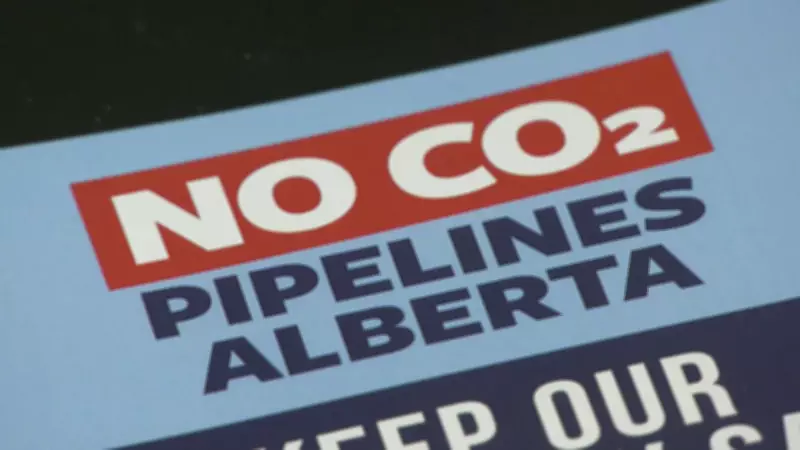
A new coalition has formed in opposition to the Pathway pipeline, with Cold Lake First Nation at its forefront. This group includes environmental advocates, local residents, and other Indigenous communities who share concerns about potential risks to land, water, and traditional territories. The pipeline, designed for carbon capture and storage, is part of broader efforts to reduce emissions, but critics argue it may pose significant ecological threats without proper oversight.
Jacko highlighted that the coalition's demands center on transparency and accountability. "They just keep deflecting," he stated, referring to government and corporate officials. "We need real dialogue, not empty promises. Our community deserves to know how this project will affect our future and our environment."

Environmental and Community Concerns
The proposed pipeline has sparked debate over its long-term implications for Alberta's landscape. Proponents tout it as a key solution for mitigating climate change through carbon sequestration, while opponents worry about leaks, land disruption, and inadequate safety measures. Cold Lake First Nation, in particular, is concerned about impacts on wildlife, water sources, and cultural sites integral to their heritage.
In addition to environmental issues, there are questions about economic benefits and job creation for local communities. Jacko noted that while some employment opportunities have been promised, details remain unclear, and there is skepticism about whether these will materialize or be accessible to Indigenous peoples.
Broader Context of Indigenous Rights
This situation reflects ongoing tensions between Indigenous rights and resource development in Canada. Cold Lake First Nation's stance underscores a broader call for meaningful consultation and free, prior, and informed consent as outlined in the United Nations Declaration on the Rights of Indigenous Peoples. The lack of direct engagement, according to Jacko, violates these principles and exacerbates historical grievances.
The coalition plans to continue advocating for a halt to the project until their concerns are addressed. This includes potential legal actions and public awareness campaigns to pressure decision-makers into more responsive behavior.
As discussions unfold, the outcome could set a precedent for how similar projects are handled in the future, balancing environmental goals with Indigenous sovereignty and community well-being.