Extreme Winter Weather Exacerbates Canada's Infrastructure Crisis
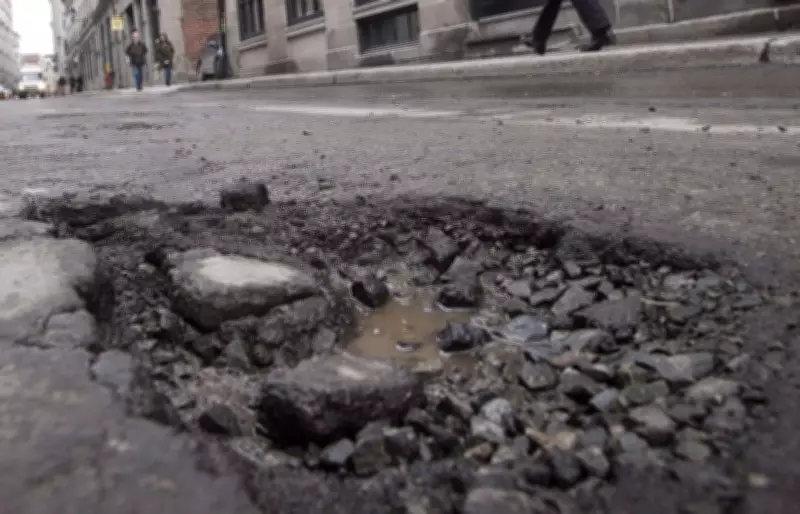
Canadian drivers are facing increasingly hazardous road conditions as a relentless winter season takes a severe toll on urban infrastructure nationwide. A series of major winter storms and extreme cold snaps have wreaked havoc on streets and highways, leading to a proliferation of potholes and deteriorating surfaces that are causing significant damage to vehicles and raising safety concerns.
Surge in Collisions and Vehicle Damage
Reports indicate a notable increase in traffic incidents linked to poor road conditions. For instance, Ottawa has witnessed a 6% jump in collisions on its roads so far this year, a statistic that transportation experts attribute directly to the deteriorating state of pavement exacerbated by freeze-thaw cycles. This pattern is mirrored in cities across the country, from Vancouver to Toronto, where municipal crews are struggling to keep up with repairs.
The financial implications for drivers are substantial, with many facing costly repairs for tire blowouts, suspension damage, and alignment issues caused by unexpected potholes. This has sparked a growing conversation among motorists about whether standard auto insurance policies provide adequate coverage, with some questioning if additional "pothole insurance" might be necessary to mitigate out-of-pocket expenses.

Climate Change Intensifies Infrastructure Challenges
Environmental scientists point to climate change as a key driver behind the increasing frequency and intensity of winter weather events. The extreme temperature fluctuations—from deep freezes to sudden thaws—create ideal conditions for pavement to crack and crumble. This winter has been particularly harsh, with storms dumping over 30 cm of snow in some regions and activating extreme weather response protocols in multiple provinces until early March.
Municipal governments are grappling with the dual challenges of limited budgets and escalating repair needs. Vancouver's recent approval of a new police training academy, despite funding concerns, highlights the competing priorities cities face. Similarly, Ottawa's decision to allow mail-in voting for the upcoming municipal election reflects efforts to maintain civic functions amid disruptive weather.
Broader Impacts on Communities and Economy
The infrastructure decay extends beyond roads, affecting various aspects of daily life and local economies. For example, an antiques market in St. Jacobs has announced a temporary closure, partly due to access issues caused by poor road conditions. In the healthcare sector, there are parallel concerns, as seen in Ontario's proposed psychology training standards raising safety fears, though unrelated to infrastructure.
From a business perspective, the transportation logistics sector is experiencing delays and increased costs, while small businesses reliant on customer accessibility report declining foot traffic. The situation underscores the interconnectedness of infrastructure quality with economic vitality and public well-being.
Looking ahead, experts warn that without significant investment in resilient infrastructure and adaptive urban planning, these problems will likely worsen. As Canada continues to experience volatile weather patterns, the need for comprehensive strategies to safeguard roads and support affected drivers becomes increasingly urgent. The current crisis serves as a stark reminder of the tangible costs of climate change on everyday life and the importance of proactive measures to protect communities and commerce.