Pioneering Study Explores Viruses Infecting Microalgae in Lake Winnipeg
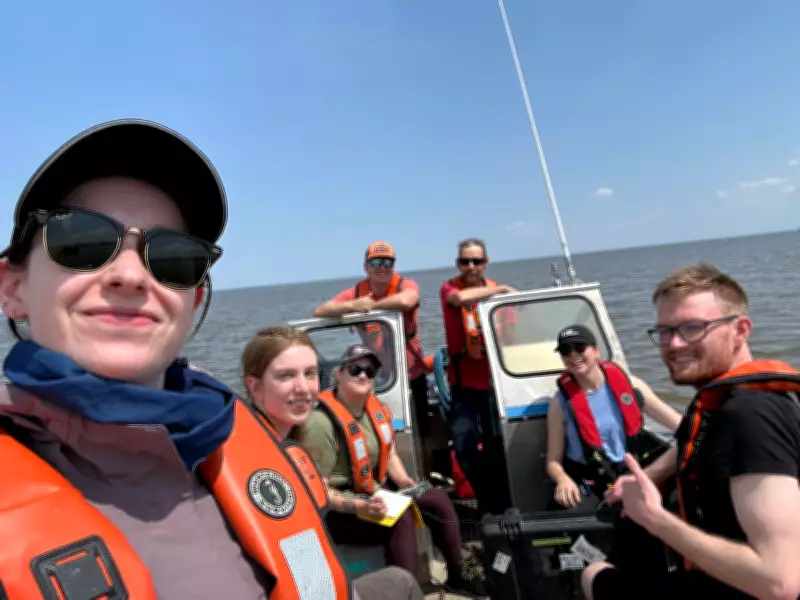
Researchers at the University of Winnipeg have embarked on a first-of-its-kind scientific investigation into the viruses and microbes inhabiting Lake Winnipeg. This groundbreaking research focuses specifically on viruses that infect microalgae, which are microscopic photosynthetic organisms crucial to the lake's aquatic ecosystem.
Uncharted Territory in Freshwater Research
The study represents a significant advancement in understanding freshwater ecosystems, as previous research has largely overlooked the complex interactions between viruses and microalgae in large inland water bodies like Lake Winnipeg. Scientists are employing advanced molecular techniques to identify and characterize these viral populations, examining how they influence microalgae populations and broader ecological processes.
This research could reveal critical insights into nutrient cycling, algal bloom dynamics, and overall lake health. Microalgae serve as the foundation of aquatic food webs, and viruses that infect them play important roles in regulating their abundance and genetic diversity.

Implications for Environmental Management
The findings from this University of Winnipeg study may have practical applications for environmental monitoring and management strategies. By understanding viral-microbial interactions in Lake Winnipeg, researchers hope to develop better tools for assessing water quality and predicting ecological changes.
"This research opens new avenues for understanding how microscopic organisms shape our freshwater resources," noted one of the lead researchers. The team is particularly interested in how viral infections might affect harmful algal blooms, which have been a recurring concern in Lake Winnipeg in recent years.
The comprehensive study involves:
- Collection and analysis of water samples from multiple locations across Lake Winnipeg
- Genetic sequencing of viral and microbial communities
- Laboratory experiments to study virus-microalgae interactions
- Long-term monitoring to track seasonal variations in viral populations
Broader Scientific Significance
Beyond its immediate applications to Lake Winnipeg, this research contributes to the growing field of viral ecology in freshwater systems. The methodologies developed through this study could be adapted for similar investigations in other lakes and reservoirs across Canada and globally.
The University of Winnipeg team is collaborating with other research institutions to compare findings with studies from different aquatic environments. This comparative approach will help identify patterns that might be universal to freshwater ecosystems versus those unique to Lake Winnipeg's specific conditions.
As climate change and human activities continue to affect freshwater resources, understanding the microscopic components of these ecosystems becomes increasingly important for conservation and sustainable management practices.