Heavy Rainfall Intensifies Flooding Threat Along Grand River Watershed
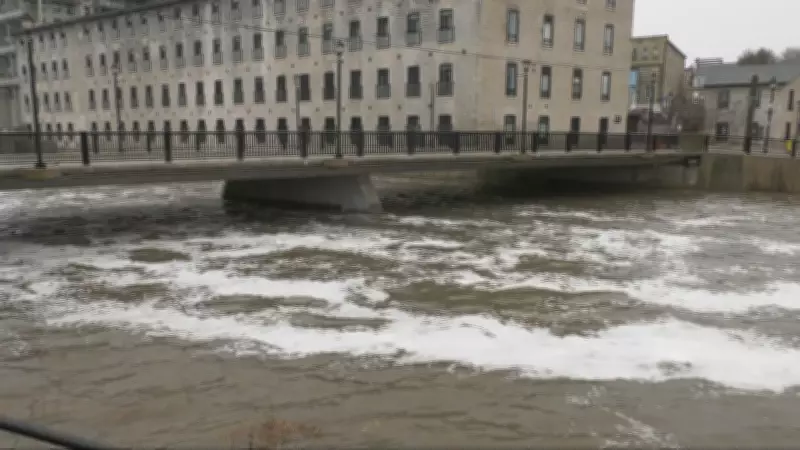
Recent weather patterns have brought substantial rainfall to the Grand River watershed, significantly elevating the risk of flooding across the region. Authorities are closely monitoring water levels, which have surged due to persistent precipitation, prompting alerts for residents to remain vigilant and prepared for potential inundation.
Escalating Water Levels and Environmental Impact
The Grand River, a vital waterway in Ontario, has experienced a notable rise in water levels, exacerbated by the ongoing heavy rains. This increase poses a direct threat to nearby communities, infrastructure, and natural habitats. Environmental experts warn that such events could become more frequent with changing climate conditions, underscoring the need for robust flood management strategies.
Local officials have activated flood watch protocols, advising residents in low-lying areas to take precautionary measures. These include securing properties, avoiding travel through flooded zones, and staying informed through official channels. The combination of saturated ground and continued rainfall heightens the likelihood of flash floods and river overflow.

Broader Weather Patterns and Regional Concerns
This flooding risk is part of a larger pattern of extreme weather affecting various parts of Canada. For instance, similar conditions have been reported in other regions, such as Manitoba, where ice jams are contributing to rising river levels. These interconnected events highlight the widespread challenges posed by seasonal transitions and climatic shifts.
Emergency response teams are on standby, ready to deploy resources if flooding occurs. Coordination between municipal, provincial, and federal agencies is crucial to mitigate impacts and ensure public safety. Community preparedness, including sandbagging and evacuation plans, plays a key role in reducing potential damages.
Long-Term Implications and Preventive Measures
Looking ahead, the recurring nature of such flooding incidents calls for enhanced infrastructure investments and policy adjustments. Sustainable water management practices, such as improved drainage systems and wetland preservation, are essential to bolster resilience against future events. Public awareness campaigns are also vital to educate residents on flood risks and response actions.
In summary, the Grand River watershed faces an immediate threat from heavy rainfall and rising water levels. While authorities work to manage the situation, community cooperation and proactive measures are imperative to safeguard against the adverse effects of flooding. Continued monitoring and adaptive strategies will be key in navigating these environmental challenges.