France Explores Nova Scotia Whale Sanctuary for Orca Relocation
The French government is actively investigating a proposal to relocate two captive orcas to a planned whale sanctuary in Nova Scotia, marking a significant step in marine conservation efforts. This initiative reflects growing international momentum toward providing more natural environments for marine mammals currently held in captivity.
Details of the Proposed Sanctuary
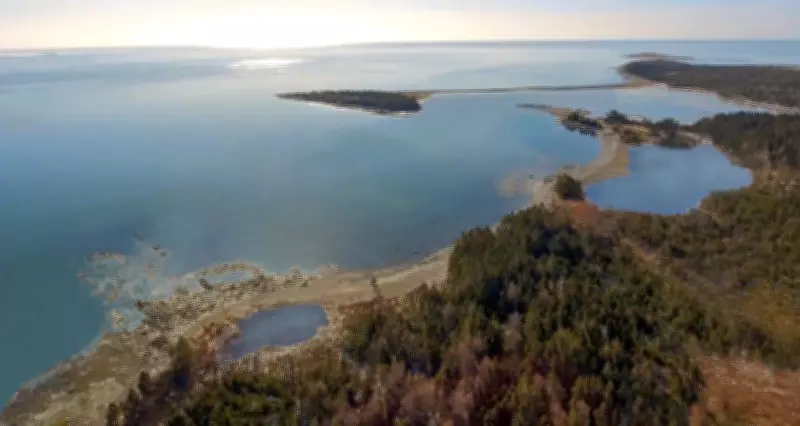
The proposed sanctuary site is located near Wine Harbour, Nova Scotia, and is designed to offer a protected coastal habitat for whales. This project aims to create a semi-natural environment where orcas can experience a more authentic marine life while still receiving necessary care and monitoring from experts.
Key aspects of the sanctuary include:

- A secure, netted-off coastal area that mimics natural orca habitats
- Facilities for veterinary care and ongoing health assessments
- Opportunities for behavioral enrichment and social interaction
- Research programs to study whale adaptation and well-being
French Government's Involvement
French authorities have expressed eagerness to find a suitable long-term solution for the two orcas, which are currently in captivity. The exploration of the Nova Scotia proposal indicates serious consideration of international collaboration in marine mammal welfare. This move aligns with broader European trends toward phasing out orca captivity in favor of sanctuary-based care.
The decision underscores a shift in how nations approach marine mammal conservation, prioritizing ethical considerations and animal welfare in captivity debates.
Broader Implications for Marine Conservation
This potential relocation could set a precedent for other countries facing similar dilemmas with captive marine animals. Success in Nova Scotia might encourage more sanctuary developments worldwide, offering alternatives to traditional aquarium or marine park settings.
Experts highlight that such sanctuaries require substantial funding, community support, and scientific oversight to ensure they truly benefit the animals. The Nova Scotia project's progress will be closely watched by conservationists, governments, and the public as a model for future initiatives.
As discussions advance, stakeholders emphasize the importance of thorough planning to address logistical, environmental, and ethical challenges. The outcome could influence global standards for marine mammal care and reinforce the viability of sanctuary solutions in conservation strategies.