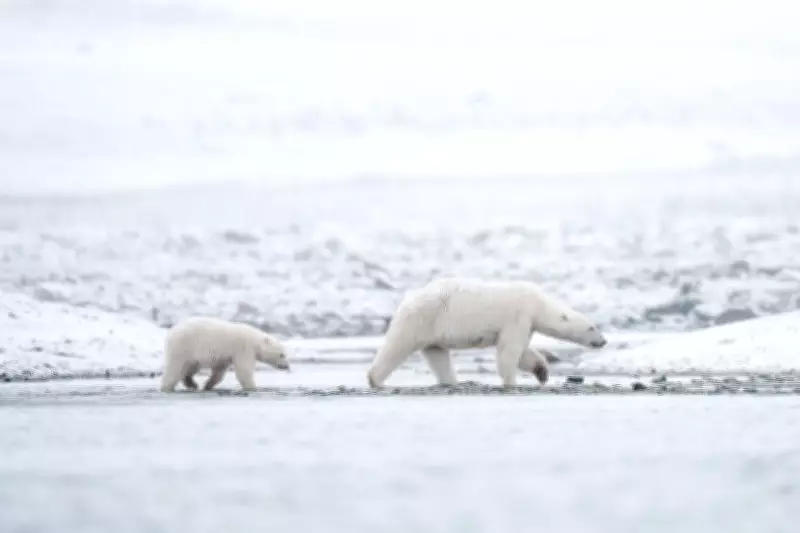
Hunger or Habitat Loss: The Driving Forces Behind Polar Bear Encounters with Humans
As Arctic ice continues to retreat at an alarming rate, polar bears are increasingly venturing into human settlements, sparking urgent questions about the primary drivers behind these dangerous encounters. Are these majestic predators motivated primarily by empty stomachs, or are they being pushed toward communities by the catastrophic loss of their natural hunting grounds? This pressing dilemma lies at the heart of contemporary wildlife conservation efforts in the far north.
The Climate Change Connection
Scientific consensus strongly indicates that climate change is the overarching factor reshaping polar bear behavior. Rising global temperatures have led to a significant reduction in sea ice coverage, which serves as the essential platform for polar bears to hunt their primary prey: seals. With less ice available during critical hunting seasons, bears are forced to expend more energy searching for food, often with diminishing returns. This energy deficit can drive them to seek alternative food sources, bringing them into closer proximity with human populations.
Research has documented a clear correlation between poor ice conditions and increased polar bear visits to coastal communities. In years when the ice forms late or breaks up early, bear sightings near towns and research stations spike dramatically. This pattern suggests that hunger is a powerful motivator, but it may not tell the whole story.

Habitat Degradation and Displacement
Beyond immediate hunger, the degradation of the polar bear's natural habitat plays a crucial role in these encounters. Sea ice is not merely a hunting platform; it is the fundamental landscape of the polar bear's existence. As this ice diminishes, bears lose not only their hunting grounds but also their migration routes, denning areas, and resting places.
This habitat compression forces polar bears into smaller, more fragmented territories, often overlapping with human activity zones. Coastal areas that were once rarely visited by bears are now becoming regular corridors as traditional ice pathways disappear. Consequently, what might appear as a bear "visiting" a human settlement could actually be a displaced animal simply trying to navigate its shrinking world.
Behavioral Adaptations and Risks
Polar bears are exhibiting notable behavioral adaptations in response to these environmental pressures. Observations indicate that some bears are becoming more opportunistic in their feeding habits, scavenging on whale carcasses, bird eggs, and even human garbage when available. This dietary flexibility, while a testament to their resilience, increases the likelihood of conflicts with people.
However, these adaptations come with significant risks:
- Increased mortality: Bears that frequent human areas face higher risks of being shot or captured.
- Nutritional deficiencies: Alternative food sources often lack the high fat content of seals, potentially leading to malnutrition.
- Human safety concerns: Close encounters pose serious dangers to both bears and people, requiring costly management interventions.
Conservation Implications and Future Outlook
The interplay between hunger and habitat loss has profound implications for polar bear conservation strategies. If hunger is the primary driver, then supplemental feeding programs might offer a temporary solution. However, if habitat displacement is the key factor, then such measures would only address symptoms rather than root causes.
Most experts argue that long-term solutions must focus on mitigating climate change and protecting critical habitat areas. This includes reducing greenhouse gas emissions globally while implementing local measures such as bear-proof waste management, community alert systems, and protected corridors that allow bears to move safely without entering populated areas.

As the Arctic continues to warm at roughly twice the global average rate, the frequency of polar bear-human interactions is likely to increase. Understanding whether these encounters stem from immediate hunger or broader habitat loss will be crucial for developing effective, ethical responses that ensure the survival of both polar bears and the northern communities that share their changing environment.