Icefield Parkway Closure Extended as Avalanche Danger Escalates
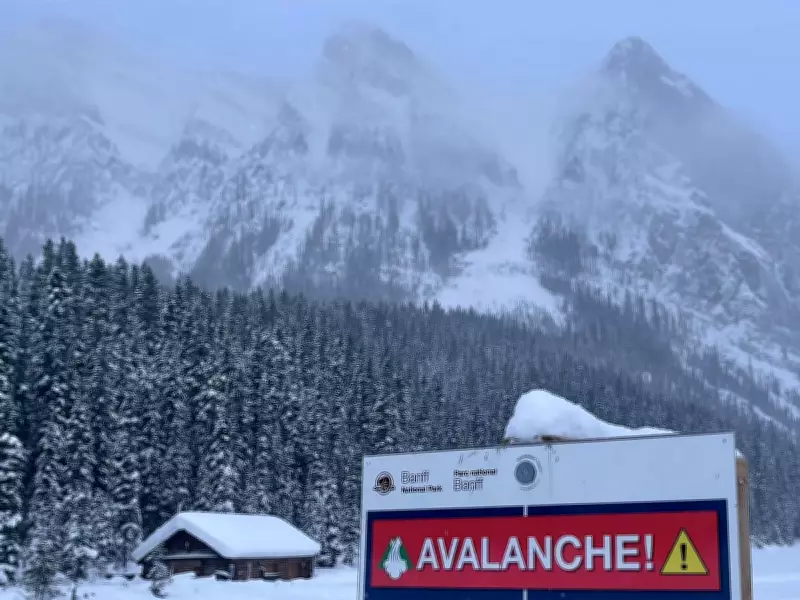
Parks Canada has announced that the closure of the Icefield Parkway, a major highway connecting Banff and Jasper National Parks, will remain in effect for a prolonged period due to escalating avalanche risks. The federal agency stated that emergency crews are currently unable to operate safely in the area, and conditions are too hazardous for motorists.
Massive Snow Slide Triggers Prolonged Shutdown
Last Saturday, avalanche mitigation efforts on Mt. Hector, located 18 kilometers north of Lake Louise, triggered a large size 4 snow slide. This avalanche buried a 250-meter section of Highway 93N under approximately 12 meters of snow. Fortunately, the highway was already closed at the time due to recognized avalanche danger, and no individuals were caught in the slide.
Justin Brisbane, a Parks Canada official, emphasized in an email that clean-up operations involve heavy equipment such as dozers, excavators, loaders, and snow plows. However, due to the immense volume of snow, a prolonged closure is anticipated. Brisbane noted that crews are working diligently but cannot provide a specific timeline for reopening the highway.

Worsening Weather Conditions Heighten Risks
Parks Canada has warned that incoming snow and wind expected on Tuesday afternoon and Wednesday will significantly increase avalanche hazards, particularly at higher elevations. These conditions are predicted to contribute to new avalanche problems and may trigger deeper instabilities, leading to larger avalanches.
Stephen Holeczi, a visitor safety specialist for Parks Canada, described the situation as "unstable and highly volatile." He explained that weak layers are buried under up to 90 centimeters of storm snow, with additional snowfall forecasted for the weekend, which will add to slabs over those weak layers. Holeczi urged caution, conservative decision-making, and careful terrain choices in the central Rockies.
Avalanche Warnings and Safety Advisories
Avalanche Canada currently lists the avalanche risk along Highway 93N as "considerable," while a section of the TransCanada Highway east of Field, B.C., near the Alberta border, is rated as "high." On March 20, a special avalanche warning was issued for areas throughout the central Rockies, including Banff National Park and Kananaskis.
Backcountry skiers are advised to stick to lower-angle slopes of less than 30 degrees and avoid overhanging features and sun-exposed slopes during warm conditions. Parks Canada has reiterated that the highway will remain closed until further notice, with the aim of keeping such events as brief as possible, though safety remains the top priority.
Seasonal Avalanche Fatalities Highlight Dangers
This season has seen a tragic toll from avalanches in the mountains west of Calgary, with 10 fatalities reported. Additionally, one person has been killed in a slow slide in Quebec. Most recently, four individuals died in two separate incidents in northwestern B.C. last weekend.
In Alberta, the only avalanche fatality recorded this winter occurred on February 27, when 15-year-old Emilio Hrazdira was killed by an avalanche at the Nakiska ski area in Kananaskis. Avalanche Canada notes that March is historically the most avalanche-prone month in the Rockies, underscoring the critical need for vigilance during this period.
Parks Canada continues to monitor conditions closely and urges travelers to stay informed and prepared for potential hazards. The closure of the Icefield Parkway serves as a stark reminder of the powerful and unpredictable forces of nature in Canada's mountainous regions.