Invasive Grasses May Heighten Deadly Dangers After Wildfires, UBC Expert Reveals
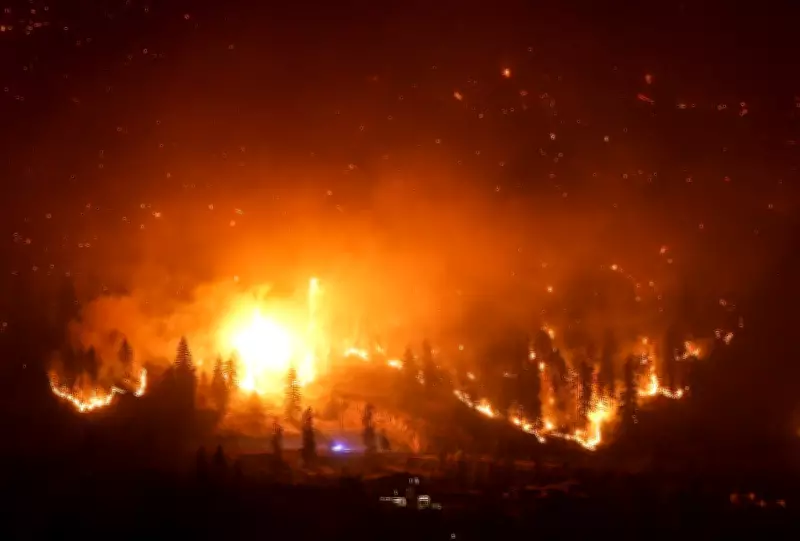
New research from the University of British Columbia (UBC) underscores a critical environmental threat: invasive grasses could significantly elevate deadly risks in regions recovering from wildfires. This finding emerges as communities across British Columbia, such as West Kelowna, continue to grapple with the aftermath of devastating blazes like the McDougall Creek wildfire in August 2023.
The Hidden Peril in Post-Fire Landscapes
According to the UBC researcher, invasive grass species often thrive in the disturbed soils left behind by wildfires. These plants can rapidly colonize burned areas, outcompeting native vegetation and altering the ecological balance. More alarmingly, their presence may lead to increased fuel loads, potentially setting the stage for more frequent and intense future fires.
This cycle poses a direct threat to human safety and property, especially in wildfire-prone zones like those in B.C. The researcher emphasizes that without proper management, these invasive species could exacerbate recovery challenges, making communities more vulnerable to repeat disasters.

Broader Implications for Environmental Policy
The study calls for heightened attention to invasive species control as part of post-wildfire restoration efforts. It suggests that integrating grass management strategies into environmental policies could mitigate long-term risks. Proactive measures are essential to safeguard both natural habitats and residential areas, the researcher notes, pointing to the need for collaborative action among government agencies, scientists, and local communities.
As climate change intensifies wildfire seasons globally, understanding and addressing such secondary hazards becomes increasingly urgent. This research adds to a growing body of evidence highlighting the interconnectedness of invasive species, fire ecology, and public safety.