The ongoing conflict in Iran is casting a long shadow over a breathtaking natural wonder far from the front lines: the vibrant coral reefs of Oman's Musandam Peninsula. While geopolitical tensions dominate headlines, marine biologists and environmentalists are raising alarms about the indirect but severe threats posed to these underwater ecosystems.
A Diving Paradise at Risk
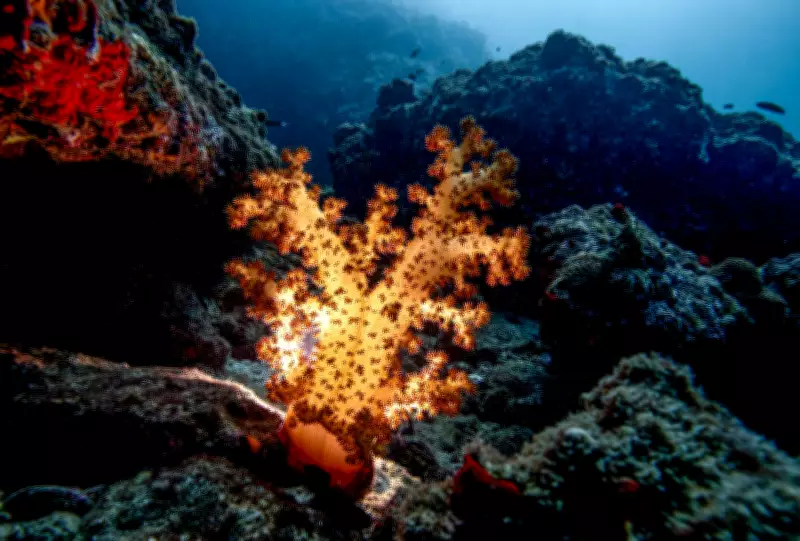
In August 2025, stunning photographs captured the vivid colors and diverse marine life at popular diving sites near Khasab, Oman. These images, taken by Mahmut Serdar Alakus of Anadolu Agency and distributed via CNN Newsource, showcase a thriving underwater world that now faces an uncertain future. The reefs are home to countless species and serve as crucial habitats, but their remote location in the Strait of Hormuz places them in a region increasingly affected by the spillover effects of the Iran war.
Environmental Consequences of Prolonged Conflict
Experts warn that as the war drags on, several factors could devastate these delicate coral systems. Increased maritime traffic, potential oil spills from disrupted shipping routes, and reduced environmental monitoring due to regional instability are primary concerns. Additionally, funding and resources for conservation efforts in the area may be diverted or diminished as governments prioritize security over ecological protection.

The Musandam Peninsula's reefs are not just tourist attractions; they play a vital role in supporting local fisheries and protecting coastlines from erosion. Their degradation could have cascading effects on Oman's economy and food security. Marine scientists emphasize that coral reefs worldwide are already stressed by climate change, making them particularly vulnerable to additional pressures from human conflicts.
Call for International Awareness and Action
Conservation groups are urging the international community to recognize the environmental toll of the Iran war beyond immediate battle zones. They advocate for:
- Enhanced monitoring of marine environments in the Persian Gulf and adjacent waters.
- Diplomatic efforts to include environmental protections in regional security discussions.
- Support for local Omani initiatives aimed at reef preservation and sustainable tourism.
"War doesn't just destroy lives on land; it can silently ravage ecosystems that take decades to recover," noted one marine biologist familiar with the region. The situation underscores how geopolitical strife can have far-reaching and often overlooked environmental impacts, threatening biodiversity hotspots far from the epicenter of conflict.
As the world watches the human cost of the Iran war, the fate of Oman's coral reefs serves as a poignant reminder of the interconnectedness of global stability and environmental health. Preserving these underwater treasures will require concerted effort and heightened awareness amid ongoing turmoil.