Lake Erie Experiences Significant Ice Surges Amid Extreme Cold and Low Water Levels in Windsor-Essex
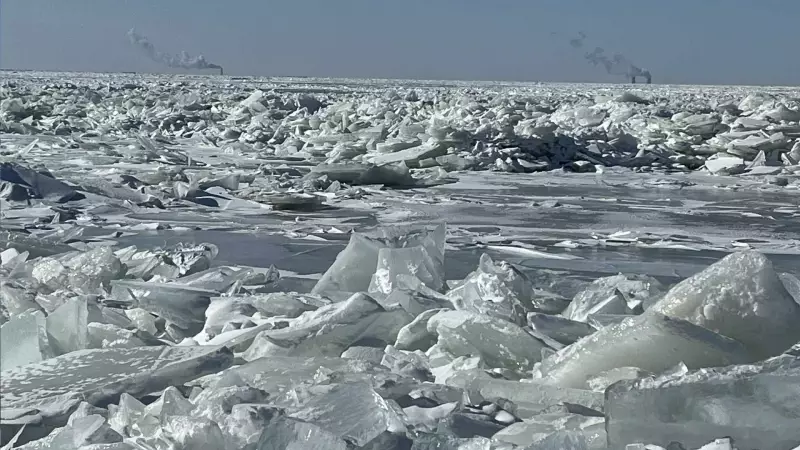
Residents of Windsor-Essex are witnessing a dramatic natural phenomenon as Lake Erie experiences substantial ice surges due to a combination of bitter cold temperatures and unusually low water levels. This event highlights the powerful impact of extreme winter conditions on the Great Lakes region, with local authorities closely monitoring the situation for potential environmental and safety implications.
Extreme Weather Conditions Drive Unusual Ice Formation
The current cold snap has brought exceptionally low temperatures to southwestern Ontario, creating ideal conditions for rapid ice formation on Lake Erie. Meteorologists report that water levels in the lake are significantly below seasonal averages, which has accelerated the freezing process and contributed to the development of these ice surges. These conditions are part of a broader pattern of extreme weather affecting much of Canada, with wind chill values making temperatures feel even more severe.
Environmental and Local Impacts of the Ice Surges
The ice surges on Lake Erie present several important considerations for the Windsor-Essex region:

- Navigation hazards for commercial and recreational vessels in affected areas
- Potential coastal erosion as ice pushes against shorelines
- Impacts on local wildlife habitats and aquatic ecosystems
- Challenges for municipal infrastructure and winter maintenance operations
Environmental scientists note that such extreme ice events, while dramatic, provide valuable data for understanding how climate change affects freshwater systems. The combination of low water levels and intense cold creates unique conditions that researchers are studying to better predict future winter patterns in the Great Lakes basin.
Community Response and Safety Measures
Local authorities in Windsor-Essex have issued cold weather warnings and are advising residents to take precautions during this period of extreme temperatures. The ice surges serve as a visible reminder of winter's power in the region, with officials emphasizing the importance of:
- Avoiding unnecessary travel near affected shorelines
- Monitoring weather updates and official advisories
- Preparing homes and vehicles for continued cold conditions
- Checking on vulnerable community members during extreme weather events
As the cold persists, experts will continue to observe how these ice surges develop and what they might indicate about broader environmental trends in one of Canada's most important freshwater systems.