Landslide Mitigation Project Launches to Protect Salmon Habitat at B.C. First Nation
A significant environmental initiative has commenced as a British Columbia First Nation begins landslide mitigation efforts aimed at safeguarding vital salmon habitat. This project addresses the pressing need to protect spawning grounds from erosion and sediment runoff, which threaten the delicate ecosystems essential for salmon survival.
Addressing Environmental Risks
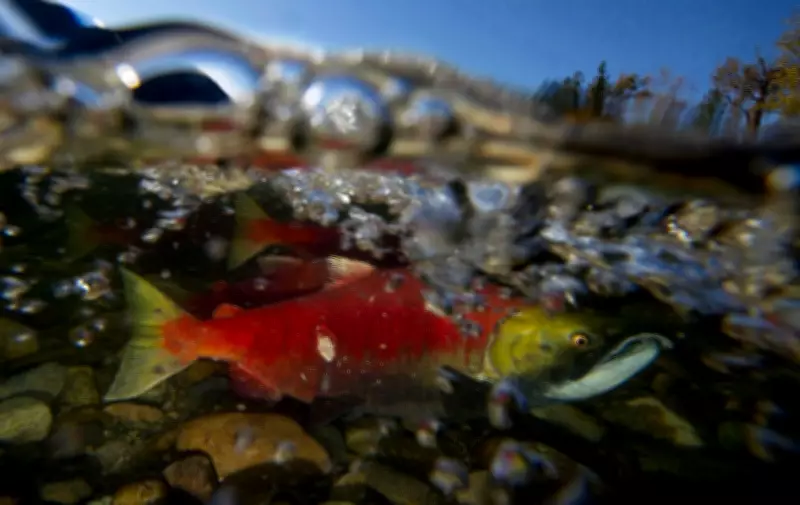
The mitigation work focuses on stabilizing slopes and implementing measures to prevent landslides that could degrade water quality and disrupt salmon migration routes. By reducing sediment influx into rivers, the project aims to maintain healthy aquatic environments, crucial for the lifecycle of sockeye and other salmon species. This effort is part of broader indigenous-led conservation strategies that prioritize ecological balance and sustainable resource management.
Supporting Indigenous Stewardship
This initiative underscores the role of First Nations in environmental stewardship, leveraging traditional knowledge alongside modern engineering techniques. The project not only protects biodiversity but also supports cultural practices tied to salmon, which hold deep significance for indigenous communities. It represents a proactive step in mitigating climate change impacts, such as increased rainfall and extreme weather events that exacerbate landslide risks.

Broader Implications for Conservation
Beyond immediate habitat protection, the landslide mitigation project contributes to regional conservation goals, aligning with efforts to restore salmon populations in British Columbia. It highlights the importance of collaborative approaches between indigenous groups, government agencies, and environmental organizations to address complex ecological challenges. As work progresses, monitoring will assess effectiveness in reducing erosion and enhancing habitat resilience for future salmon generations.