Lethbridge Ranks Among Canada's Driest Cities in World Atlas Report
A recent report from World Atlas has identified Lethbridge, Alberta, as one of the driest cities in Canada, based on precipitation data. The findings underscore the region's arid climate conditions, which have significant implications for local water resources and environmental management.
Key Findings on Precipitation Levels
The study analyzed annual precipitation metrics across Canadian urban centers, revealing that Lethbridge experiences notably low rainfall and snowfall compared to other major cities. This places it in a category with other dry locales, highlighting the unique climatic challenges faced by residents and policymakers in southern Alberta.
Factors Contributing to Dry Conditions

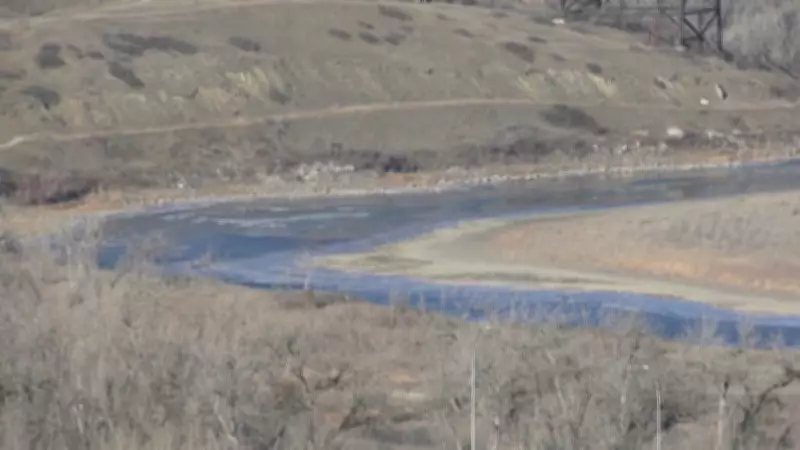
Several geographical and meteorological factors contribute to Lethbridge's dry status. Located in the rain shadow of the Rocky Mountains, the city receives limited moisture from Pacific weather systems. Additionally, its semi-arid prairie environment exacerbates evaporation rates, further reducing available water.
Implications for the Community and Environment
The low precipitation levels in Lethbridge impact various aspects of daily life and sustainability. Water conservation efforts are crucial, as the city relies on irrigation for agriculture and municipal use. Urban planning must also adapt to mitigate risks such as drought and soil erosion.
Local authorities and environmental groups are likely to use this data to inform future strategies for water management and climate resilience.
Comparative Analysis with Other Canadian Cities
When compared to wetter cities like Vancouver or Halifax, Lethbridge's dryness is stark. This contrast emphasizes the diverse climatic zones across Canada and the need for tailored approaches to environmental policy and resource allocation.
Broader Context and Future Outlook
This report adds to a growing body of research on climate patterns in Canada. As global climate change continues to influence weather systems, monitoring precipitation trends in cities like Lethbridge becomes increasingly important for forecasting and adaptation.
Residents and stakeholders are encouraged to stay informed about local climate data and participate in conservation initiatives to ensure sustainable water use in the face of ongoing dry conditions.