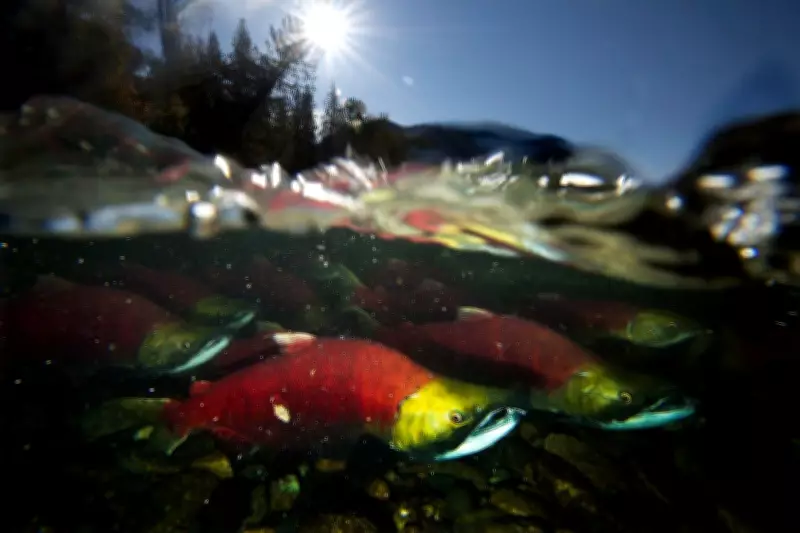
Lakes, rivers, and streams in Mount Robson Park in central British Columbia are being closed to all watercraft and wading gear in an effort to prevent the spread of whirling disease in fish. The closure, announced by provincial authorities, aims to protect the park's aquatic ecosystems from the parasitic infection that causes neurological damage in trout and salmon.
Precautionary Measures
The ban applies to all water bodies within the park, prohibiting the use of boats, kayaks, canoes, stand-up paddleboards, and wading equipment. Officials emphasize that these measures are crucial to halt the transmission of whirling disease, which can be spread through contaminated water or equipment moved between waterways.
Impact on Recreation
Visitors to Mount Robson Park are advised to respect the closures and avoid any activities that involve contact with the water. The park remains open for other recreational pursuits, including hiking and camping, but access to lakes and rivers is restricted until further notice.

Whirling disease, caused by the parasite Myxobolus cerebralis, has been detected in several regions of British Columbia. It affects young fish, causing skeletal deformities and erratic swimming behavior, often leading to death. The disease poses a significant threat to wild fish populations and the province's fishing industry.
Broader Context
The closure in Mount Robson Park is part of a larger strategy by the B.C. government to contain the disease. Similar restrictions have been implemented in other affected areas, and authorities are urging all water users to clean, drain, and dry their equipment thoroughly between trips to prevent further spread.
Conservation officers will be patrolling the park to enforce the ban, and violators may face fines. The public is encouraged to report any suspicious fish behavior or signs of disease to the provincial fish health program.