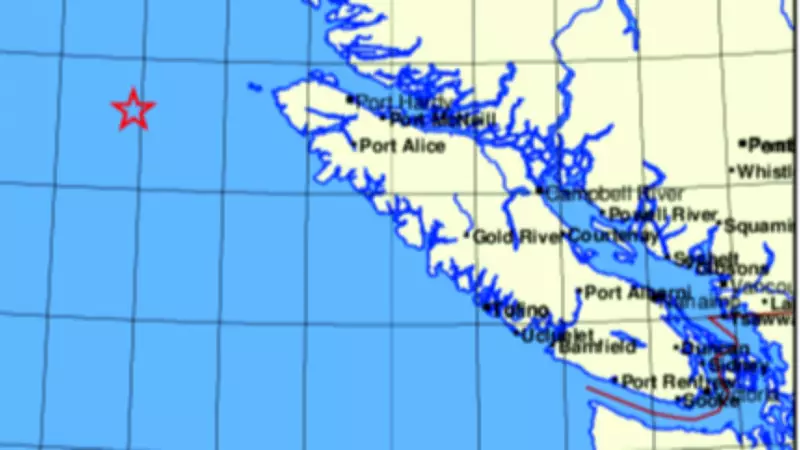
A notable earthquake occurred off the coast of Vancouver Island on Sunday, March 29, 2026, prompting assessments from seismic monitoring agencies. According to official reports, there is no expected tsunami threat following the seismic event, providing reassurance to coastal communities.
Seismic Event Details and Immediate Response
The earthquake was detected in the offshore region near Vancouver Island, with its approximate location mapped by Earthquakes Canada. While the exact magnitude and depth have not been disclosed in initial reports, the event was significant enough to warrant monitoring for potential tsunami activity.
Authorities quickly evaluated the seismic data and confirmed that no tsunami warning, watch, or advisory is necessary. This swift response helps prevent unnecessary panic and ensures public safety protocols are followed appropriately.

Historical Context and Regional Seismic Activity
Vancouver Island is situated in a seismically active zone along the Pacific Ring of Fire, where tectonic plate movements frequently cause earthquakes. This region has experienced numerous seismic events in the past, making such occurrences relatively common but always monitored closely due to potential risks.
The absence of a tsunami threat in this instance is attributed to specific factors such as the earthquake's depth, location, and magnitude, which did not meet the criteria for generating destructive ocean waves.
Public Safety and Preparedness Measures
Despite the all-clear regarding tsunamis, the event serves as a reminder for residents to maintain earthquake preparedness. Key recommendations include:
- Having emergency kits stocked with essential supplies like water, food, and first-aid items.
- Developing and practicing family evacuation plans for seismic events.
- Staying informed through official channels like Earthquakes Canada for real-time updates.
Local authorities emphasize that while this earthquake did not pose a tsunami risk, it underscores the importance of readiness for future seismic activity in the region.
Monitoring and Future Outlook
Seismologists continue to monitor aftershocks and any related geological changes following the earthquake. Ongoing data collection helps improve understanding of regional fault lines and enhances predictive models for future events.
Public awareness campaigns are likely to be reinforced, focusing on earthquake safety protocols and tsunami evacuation routes, ensuring communities remain vigilant despite the current low-risk assessment.