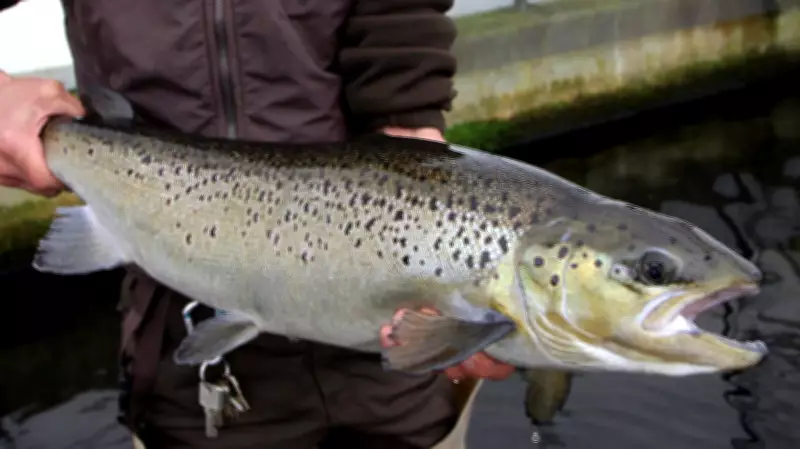
The federal government has unveiled a significant financial commitment aimed at revitalizing Atlantic salmon populations in New Brunswick, with an $81 million pledge to support conservation and restoration initiatives. This substantial investment underscores Ottawa's dedication to addressing the alarming decline of this iconic species in the region's waterways.
A Critical Conservation Effort
Atlantic salmon, once abundant in New Brunswick's rivers and streams, have faced severe population drops due to factors such as habitat degradation, climate change, and overfishing. The $81 million funding package is designed to tackle these challenges head-on by financing habitat rehabilitation projects, scientific research, and community-based conservation programs. This initiative aims to not only stabilize but also rebuild salmon stocks to sustainable levels, ensuring their survival for future generations.
Strategic Allocation of Resources
The investment will be distributed across multiple key areas to maximize impact. A portion of the funds will support the restoration of critical spawning grounds and the removal of barriers that impede salmon migration, such as outdated dams and culverts. Additionally, resources will be allocated to enhance monitoring and data collection efforts, providing scientists with valuable insights into salmon behavior and population trends. Community engagement is also a priority, with grants available for local organizations and Indigenous groups involved in stewardship activities.

Broader Environmental Implications
Rebuilding Atlantic salmon populations is expected to yield positive ripple effects on New Brunswick's broader ecosystem. Salmon play a crucial role in nutrient cycling, transferring essential minerals from the ocean to freshwater environments, which benefits other wildlife and plant species. Moreover, healthy salmon stocks can boost local economies by supporting recreational fishing and tourism industries, which rely on vibrant aquatic ecosystems.
This federal commitment aligns with broader environmental goals, including biodiversity conservation and climate resilience. By investing in salmon recovery, Ottawa is taking a proactive step toward preserving New Brunswick's natural heritage and promoting sustainable resource management. The success of this initiative will depend on ongoing collaboration between government agencies, conservation groups, and local communities to implement effective strategies and monitor progress over the coming years.