Grasslands National Park Implements Access Restrictions to Safeguard Critically Endangered Bird Species
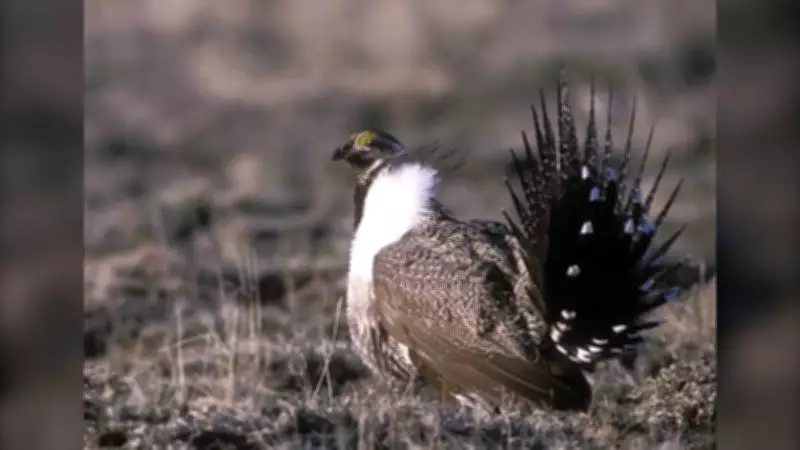
In a decisive move to protect one of Canada's most imperiled avian species, authorities have announced significant access limitations to a portion of Grasslands National Park in Saskatchewan. The restrictions are specifically designed to create a safer habitat for the greater sage-grouse, a bird whose population has dwindled to alarmingly low numbers across the country.
Precarious Population Numbers Prompt Urgent Action
Recent estimates from the Government of Canada paint a stark picture of the greater sage-grouse's plight. Conservation biologists report that only between 93 and 138 individual birds remain in the entire nation, placing the species on the brink of local extinction. This dramatic decline has been attributed to multiple factors including habitat loss, fragmentation of native grasslands, and increased human disturbance in critical breeding areas.
The newly implemented restrictions target specific sections of the park known to be crucial for the bird's survival. These areas serve as essential breeding grounds and nesting sites where even minimal human presence can disrupt mating rituals, cause nest abandonment, or increase vulnerability to predators. Park officials emphasize that these measures are temporary but necessary to prevent further population erosion.

Balancing Conservation with Public Access
While the access limitations will affect some recreational activities and visitor experiences in designated zones, park management has worked to minimize disruption. Alternative viewing areas and educational programs about the sage-grouse and grassland ecosystems will remain available to the public. The restrictions primarily affect off-trail exploration and certain seasonal activities in sensitive habitats.
"This is about giving this iconic prairie species a fighting chance," explained a park conservation officer. "The greater sage-grouse is an indicator species for the health of our native grasslands. By protecting them, we're preserving an entire ecosystem that supports numerous other plants and animals."
Broader Conservation Context
The Grasslands National Park initiative represents just one component of a larger, multi-faceted conservation strategy for the greater sage-grouse. Across its remaining range in Alberta and Saskatchewan, various stakeholders including government agencies, Indigenous communities, and conservation organizations are collaborating on habitat restoration projects, predator management programs, and research initiatives.
Scientists monitoring the species note that the sage-grouse faces particular challenges due to its specific habitat requirements and relatively low reproductive rates. The birds depend on intact sagebrush ecosystems for food, cover, and mating displays known as "lekking," where males gather to perform elaborate courtship rituals.
The access restrictions in Grasslands National Park will be regularly reviewed based on population monitoring data and habitat recovery indicators. Park visitors are encouraged to check current conditions and respect all posted closures to support this critical conservation effort.