Police Highlight Accelerating Ice Deterioration Across Canadian Regions
Law enforcement agencies throughout Canada are sounding alarms about rapidly deteriorating ice conditions as spring temperatures rise. Police departments from multiple provinces have observed concerning changes in ice stability that pose significant public safety risks.
Accelerated Spring Thaw Creates Hazardous Conditions
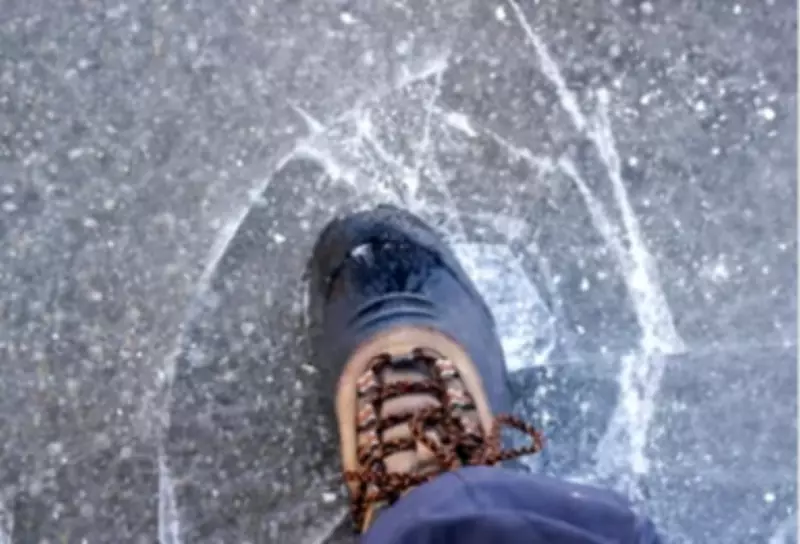
"Ice is deteriorating quite quickly across many regions," confirmed police officials monitoring the situation. The accelerated spring thaw has created unpredictable ice surfaces on lakes, rivers, and ponds that may appear solid but contain dangerous weak spots.
This seasonal transition typically brings increased outdoor activity, but authorities emphasize that current conditions require heightened caution. The warning comes as many Canadians traditionally engage in late-winter and early-spring recreational activities on frozen waterways.

Regional Variations in Ice Stability
Ice conditions vary significantly across different geographic areas, with southern regions experiencing more rapid deterioration than northern territories. However, police stress that no ice should be considered completely safe during this transitional period, regardless of location.
Factors contributing to the accelerated ice melt include:
- Above-average seasonal temperatures
- Increased sunlight exposure as days lengthen
- Snow meltwater flowing onto ice surfaces
- Underwater currents affecting ice integrity
Safety Recommendations from Authorities
Police departments are urging the public to exercise extreme caution and follow established ice safety guidelines:
- Avoid traveling on ice unless absolutely necessary
- Check local ice condition reports before venturing out
- Never go onto ice alone
- Carry safety equipment including ice picks and flotation devices
- Be aware that ice thickness can vary dramatically within small areas
"The margin for error is shrinking daily," warned one police spokesperson. "What was safe ice last week may be dangerously thin this week."
Broader Context of Seasonal Transitions
This ice deterioration warning coincides with numerous other seasonal transitions across Canada, including changing garbage collection schedules in some municipalities and preparations for extreme weather events. The interconnected nature of environmental changes underscores the importance of adaptive public safety measures.
Police departments will continue monitoring conditions and providing updates as the spring thaw progresses. They emphasize that public awareness and cautious behavior are essential for preventing ice-related accidents during this volatile seasonal transition period.