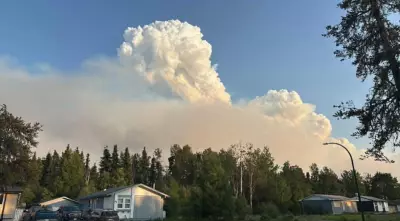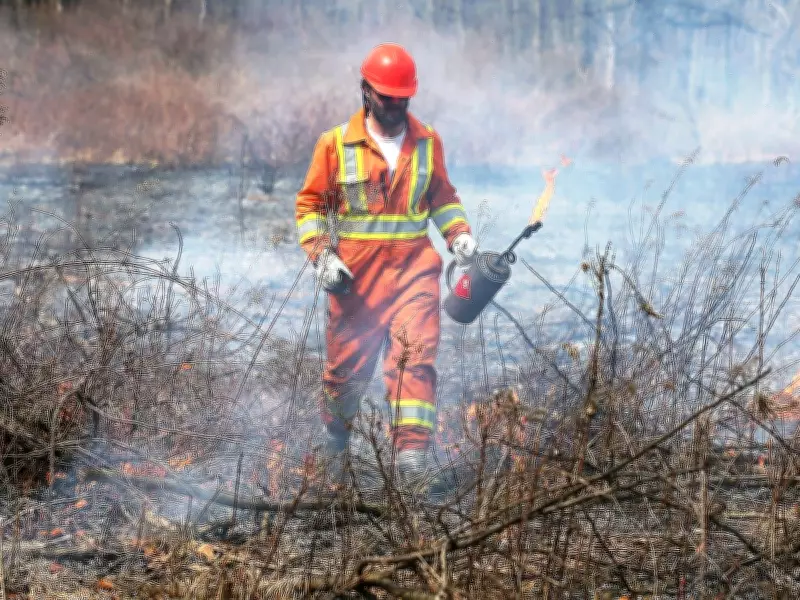
Smoke billowed across Windsor's west end this week as prescribed burns were conducted at the Ojibway Prairie Complex, a critical conservation effort aimed at preserving Ontario's largest remaining stand of tallgrass prairie and supporting the rare native species that inhabit this unique ecosystem.
Strategic Spring Burns for Ecological Health
Karen Alexander, city naturalist and supervisor for Natural Areas at the Ojibway Nature Centre, explained that spring represents the optimal season for these carefully managed fires. "A spring burn effectively targets the removal of accumulated matted grasses and plant debris that collects in the ground layer," Alexander stated. "By clearing this material, we create essential space for desirable native plants to thrive and flourish."
She further detailed the multiple ecological benefits: "The combustion of plant materials releases vital nutrients into the soil that would otherwise remain inaccessible to emerging vegetation. Additionally, the resulting layer of blackened soil possesses enhanced heat absorption properties, warming the ground and stimulating both seed germination and the growth of native species."

Precision Implementation and Safety Protocols
The prescribed burn at Black Oak Heritage Park proceeded as scheduled on Tuesday, March 24, 2026, covering approximately 1.3 hectares of restored tallgrass prairie. However, the planned burn at Spring Garden Natural Area, located south of Turkey Creek, was postponed and rescheduled for Wednesday.
These ecological fires are executed by Wildfire Specialist Inc., with strict adherence to specific environmental conditions and comprehensive control measures. The City of Windsor ensures thorough coordination, notifying the local fire department both prior to ignition and upon complete extinguishment of the fires.
During active burning operations, affected areas remain closed to public access. Residents in proximity are advised to keep windows closed when smoke is present in the atmosphere to minimize potential respiratory impacts.
Four Decades of Ecosystem Management
The City of Windsor has employed prescribed burning as a fundamental management tool for Windsor's tallgrass prairie and oak savannah ecosystems for forty years. "Continued burning remains essential for maintaining a healthy and diverse ecosystem within the Ojibway Prairie area," emphasized city officials regarding this longstanding conservation practice.
The Ojibway Prairie Complex encompasses six distinct natural areas, including Black Oak Heritage Park and Spring Garden Natural Area, featuring diverse habitats such as wetlands, forests, savannas, and prairies. This ecological mosaic provides sanctuary for more than 4,000 species, including over 160 rare plants, insects, reptiles, birds, and mammals.
Broader Conservation Context
Alexander clarified the specific objectives behind the Black Oak Heritage Park burn: "The primary goal involves preparing the site for broadcast seeding of native species later this week, thereby increasing biodiversity in an area that was previously agricultural land. Prescribed burns offer numerous advantages for achieving this objective and supporting tallgrass prairie habitats."
In related conservation news, the Essex Region Conservation Authority announced the postponement of a planned prescribed burn at Tremblay Beach Conservation Area in Stoney Point due to recent rainfall. "Current weather conditions appear unsuitable for undertaking the planned prescribed burn at Tremblay Beach Conservation Area this week," ERCA officials stated.
These coordinated ecological interventions demonstrate the ongoing commitment to preserving southern Ontario's unique natural heritage through scientifically informed land management practices that balance conservation goals with public safety considerations.