Proactive Wildfire Strategy Urged as Saskatchewan Prepares for 2026 Season
Local leaders and wildfire experts across Saskatchewan are calling for a fundamental shift in approach as communities brace for the 2026 wildfire season. The devastating 2025 fires that destroyed significant portions of Denare Beach and threatened surrounding areas have sparked urgent conversations about prevention versus reaction in fire management.
Personal Experience Drives Advocacy
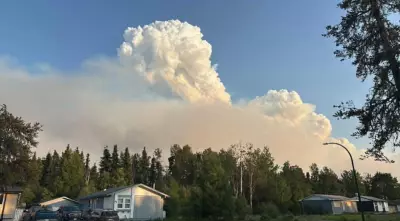
Kari Lentowicz, a volunteer firefighter with two decades of emergency preparedness experience, witnessed firsthand the terrifying speed of wildfire destruction. Driving away from her Denare Beach community as the Wolf fire approached in May 2025, she encountered conditions that transformed daylight into darkness within minutes.
"I drove into this black cloud, and it was pitch black at two o'clock in the afternoon," Lentowicz recalled. "The temperature sensor on my dash went up six degrees in two minutes. When I emerged, flames were visible on either side of the road."

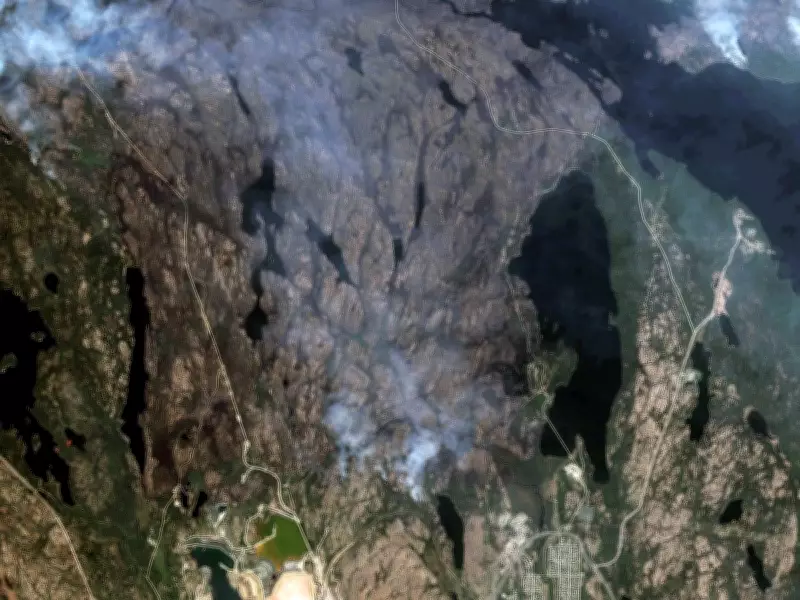
Lentowicz chose to remain in Denare Beach after most residents had evacuated, hoping to contribute her expertise to firefighting efforts. Despite visiting the Saskatchewan Public Safety Agency (SPSA) fire base twice to offer assistance, she was never deployed. The Wolf fire ultimately destroyed approximately two-thirds of the community on June 2, 2025, including Lentowicz's home.
Calls for Integrated Land-Use Planning
Lentowicz and other community leaders argue that traditional firefighting approaches must evolve to address increasing wildfire risks exacerbated by climate change. They advocate treating wildfire management as an integrated land-use planning issue rather than solely an emergency response challenge.
"You can protect something in the heat of the moment, or you can put the work in ahead of time to protect it," Lentowicz emphasized during testimony at the Saskatchewan Legislative Building.
She believes proactive measures during the final days of May 2025 could have saved Denare Beach. Standard firefighting techniques like wet lines and black burns, if implemented earlier, might have created crucial firebreaks before the Wolf fire reached the community.
Systemic Changes Under Consideration
Following the 2025 devastation, the SPSA commissioned consulting firm MNP to conduct an independent review of provincial wildfire response protocols. Meanwhile, the Saskatchewan NDP is pushing for establishment of a comprehensive provincial wildfire strategy.
Current winter mitigation crews contracted through the SPSA continue preparatory work, but advocates argue more fundamental changes are needed. Proposed shifts include:
- Greater capacity for community-based, boots-on-the-ground fire management
- Integration of traditional firekeeping knowledge from Indigenous communities
- Enhanced communication between agencies and local experts during fire threats
- Earlier implementation of preventive measures before fires reach critical stages
Looking Toward 2026 and Beyond
As Saskatchewan prepares for what experts predict could be another challenging wildfire season in 2026, the experiences of communities like Denare Beach serve as powerful reminders of what's at stake. The debate between reactive firefighting and proactive prevention continues to shape policy discussions across the province.
Lentowicz's advocacy highlights the human cost of wildfire disasters and the importance of incorporating local knowledge into emergency planning. "They shrugged off anyone outside of the organization with concerns or advice," she said of her interactions with SPSA personnel, underscoring the need for more collaborative approaches.
With climate models predicting increased wildfire frequency and intensity across Western Canada, the calls for integrated planning and community-based management grow more urgent each year. How Saskatchewan responds to these challenges in the coming months could determine how well-protected communities will be when the next fire season arrives.