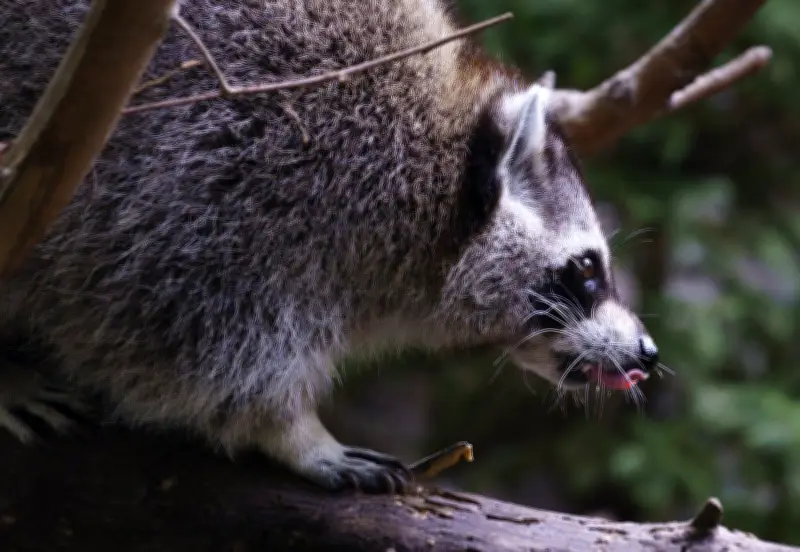
Quebec public health officials have confirmed that the raccoon rabies outbreak in the Montreal area is still growing, despite ongoing control measures. The outbreak, which began several months ago, has now spread to new regions, raising concerns among health authorities.
Outbreak Expansion
According to the latest data, cases of raccoon rabies have been detected in additional municipalities surrounding Montreal. The virus, which is transmitted through the saliva of infected animals, poses a risk to both wildlife and domestic pets, as well as humans who may come into contact with rabid animals.
Officials emphasize that the situation remains critical and that efforts to contain the outbreak are being intensified. Vaccination campaigns for raccoons and other wildlife are underway, but the spread of the disease has outpaced initial projections.

Public Health Response
The Quebec Ministry of Health and Social Services is working closely with local authorities to implement control strategies. These include targeted trapping and vaccination of raccoons, as well as public awareness campaigns to educate residents about the risks and symptoms of rabies.
Dr. Marie-Claude Lacroix, a spokesperson for public health, stated, "We are seeing an increase in cases, and it is essential that the public remains vigilant. Anyone who encounters a raccoon acting strangely should avoid contact and report it immediately."
Risk to Humans and Pets
Rabies is a fatal disease if left untreated, but it is preventable through vaccination and prompt medical care after exposure. Health officials urge pet owners to ensure their dogs and cats are up to date on rabies vaccinations. Additionally, residents are advised to secure garbage bins and eliminate potential food sources that may attract raccoons.
Since the outbreak was first identified, several cases of rabies have been confirmed in raccoons, and there have been reports of exposure in domestic animals. No human cases have been reported so far, but the risk remains.
Community Involvement
Local communities are being asked to participate in surveillance efforts by reporting any sick or dead raccoons to authorities. The public can also help by avoiding feeding wildlife and keeping pets indoors or supervised when outside.
Officials are hopeful that with continued cooperation and enhanced control measures, the outbreak can be brought under control. However, they caution that it may take several months to see a significant reduction in cases.