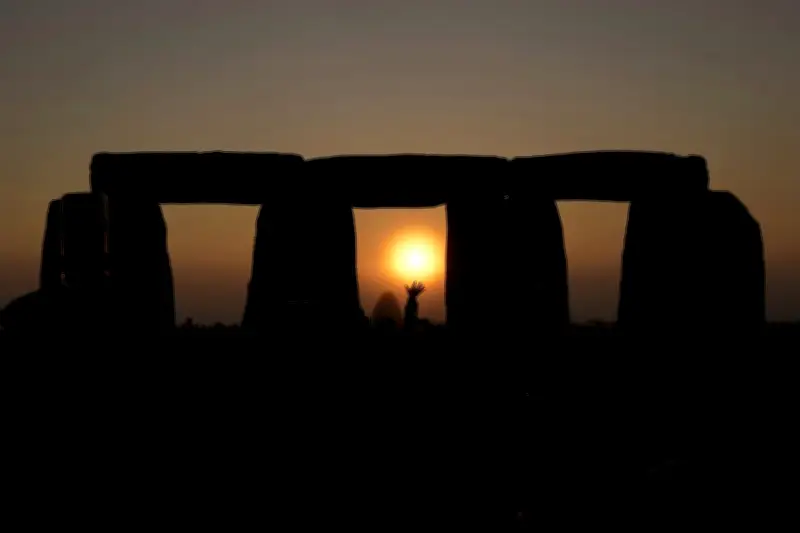
The summer solstice, occurring on June 21, 2026, marks the longest day of the year for the Northern Hemisphere. This astronomical event happens when the Earth's axial tilt is most inclined toward the sun, resulting in the maximum daylight hours. For the Southern Hemisphere, it is the shortest day and the beginning of winter.
What Is the Summer Solstice?
The summer solstice occurs when the sun reaches its highest position in the sky, directly over the Tropic of Cancer. This phenomenon is due to Earth's 23.5-degree axial tilt, which causes varying sunlight exposure throughout the year. The exact timing of the solstice varies slightly each year, typically falling between June 20 and June 22.
Daylight Hours and Variations
At the Arctic Circle, the sun does not set at all on the summer solstice, experiencing 24 hours of daylight. In contrast, locations near the equator have roughly 12 hours of daylight year-round. The amount of daylight increases with latitude: for example, London receives about 16.5 hours of daylight, while New York City gets around 15 hours.

Historical and Cultural Significance
Ancient cultures celebrated the summer solstice with festivals and rituals. Stonehenge in England is famously aligned with the solstice sunrise, drawing thousands of revelers each year. Other traditions include Midsummer celebrations in Scandinavia, where people light bonfires and dance around maypoles. In many cultures, the solstice is a time of fertility, renewal, and honoring the sun.
Modern Celebrations
Today, the summer solstice is marked by events worldwide, from music festivals to yoga sessions at sunrise. Many people use the day to spend time outdoors, enjoy picnics, and appreciate nature. In some places, it is a public holiday or a time for family gatherings.
Scientific Observations
The solstice is also important for scientists studying climate, astronomy, and Earth's rotation. It provides a fixed point for calibrating calendars and understanding seasonal changes. The term "solstice" comes from Latin words meaning "sun stands still," as the sun's apparent movement north or south pauses before reversing direction.
Tips for Enjoying the Longest Day
- Wake up early to watch the sunrise, which occurs at its most northeasterly point.
- Plan outdoor activities like hiking, biking, or a barbecue to maximize daylight.
- Visit a local park or beach to celebrate nature.
- Attend a solstice event or festival in your community.
- Take a moment to reflect on the changing seasons and the beauty of the natural world.
Whether you observe the solstice with ancient traditions or modern festivities, it is a reminder of Earth's place in the cosmos and the cyclical nature of time.