Toronto is considering a regional paramedic model to address an anticipated increase in emergency calls during the 2026 FIFA World Cup. The city expects a surge in demand for medical services as thousands of visitors and residents gather for the tournament. Officials are evaluating a collaborative approach that would involve multiple municipalities sharing paramedic resources to improve response times and efficiency.
Background and Need
The World Cup, scheduled for 2026, will bring six matches to Toronto's BMO Field. With large crowds expected, the city's emergency medical services (EMS) could face significant strain. A regional paramedic model would allow Toronto to pool resources with neighboring communities, ensuring adequate coverage during peak times. This approach has been successful in other jurisdictions, such as Ontario's Regional Paramedic Services, which coordinate emergency responses across several municipalities.
Potential Benefits
Adopting a regional model could lead to faster response times, better resource allocation, and reduced costs. By sharing ambulances, paramedics, and dispatch services, the region can avoid duplication and ensure that resources are deployed where they are most needed. This is particularly important during large-scale events like the World Cup, where demand can spike unpredictably.

Challenges and Considerations
However, implementing a regional model requires careful planning and coordination. Issues such as funding, governance, and labor agreements must be addressed. Toronto's city council is expected to discuss the proposal in the coming weeks, with input from provincial officials and emergency service providers.
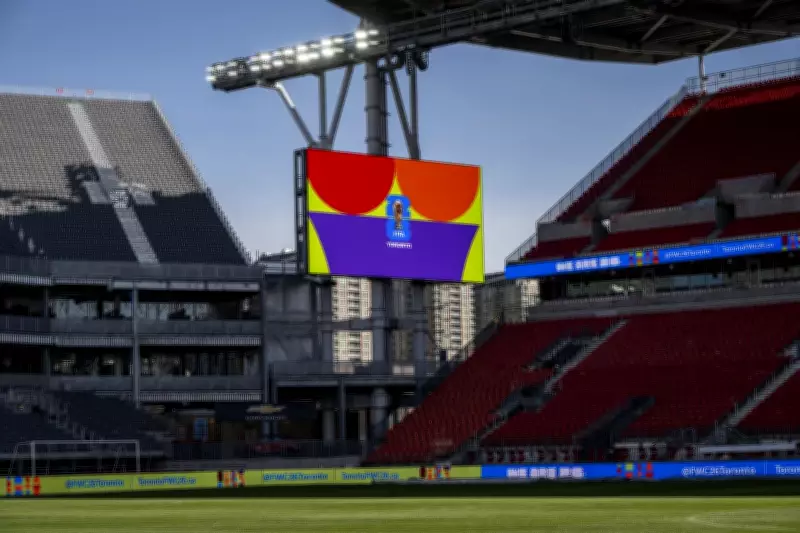
In addition to the paramedic model, Toronto is upgrading its stadium infrastructure, including installing giant LCD screens at BMO Field. These upgrades are part of the city's preparations for hosting World Cup matches. The regional paramedic initiative is seen as a key component of ensuring public safety during the event.
Toronto's move comes as other Canadian cities, such as Vancouver and Montreal, also prepare for the tournament. The World Cup is expected to draw millions of visitors to Canada, and cities are investing in transportation, security, and emergency services to manage the influx.