Prince Rupert Train Derailment Spills Nearly 8,000 Litres of Diesel in B.C.
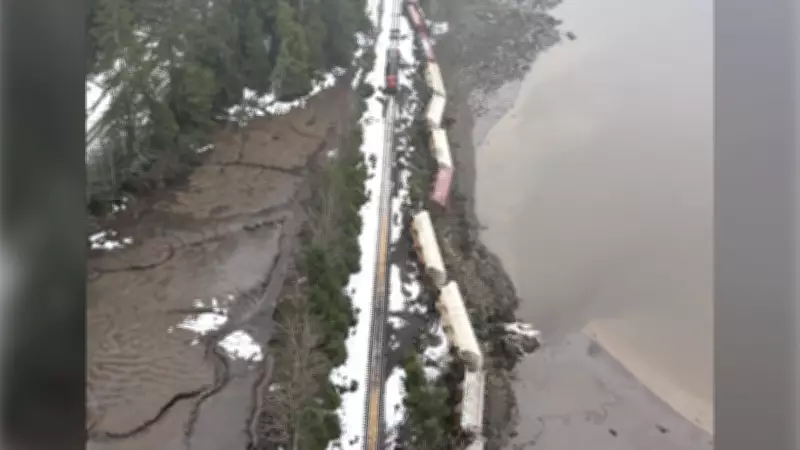
The Ministry of Environment in British Columbia has confirmed that a train derailment near Prince Rupert on March 17, 2026, led to the spill of almost 8,000 litres of diesel fuel. The incident occurred after a mudslide in northwestern B.C., causing dozens of rail cars to leave the tracks.
Details of the Incident
According to official reports, the derailment was triggered by a mudslide, which destabilized the railway infrastructure. This event resulted in multiple rail cars derailing, with the spillage of diesel posing significant environmental risks. The ministry has been actively monitoring the situation to assess the impact on the surrounding area.
Environmental Concerns
The spill of nearly 8,000 litres of diesel raises serious environmental concerns, particularly for local ecosystems and water sources. Diesel fuel can contaminate soil and waterways, leading to long-term ecological damage. Authorities are working to contain the spill and mitigate any potential harm to wildlife and natural habitats.

Response and Cleanup Efforts
Emergency response teams have been deployed to the site to manage the cleanup process. Efforts include containing the spilled diesel, assessing the extent of contamination, and implementing measures to prevent further environmental degradation. The ministry emphasizes that ongoing evaluations will determine the full scope of the incident's impact.
Broader Implications
This derailment highlights the vulnerabilities of railway systems in regions prone to natural disasters like mudslides. It underscores the need for enhanced safety protocols and infrastructure resilience to prevent similar incidents in the future. The event also draws attention to the importance of rapid response mechanisms for environmental emergencies.
As investigations continue, the ministry will provide updates on the cleanup progress and any regulatory actions taken. The community of Prince Rupert and surrounding areas are advised to stay informed through official channels regarding safety and environmental advisories.