U.S. Court Upholds Montana's Selenium Standard in Cross-Border Pollution Dispute
A United States court has delivered a significant ruling in a decade-long environmental dispute, rejecting a British Columbia coal mining company's attempt to increase selenium pollution levels in a border-crossing lake. The Montana District Court affirmed last week that the state's stringent selenium standard of 0.8 micrograms per liter, established by the Montana Department of Environmental Quality, will remain in effect.
Environmental Victory Amid Mining Expansion Plans
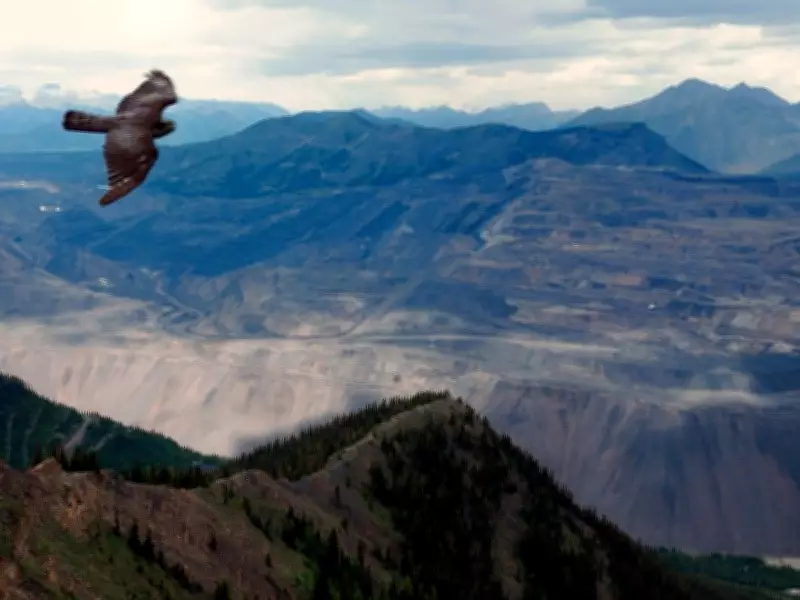
This decision represents a substantial victory for environmental advocates who have been fighting transboundary mining pollution for years. Simultaneously, it deals a serious setback to Glencore-owned Elk Valley Resources, which operates four steelmaking coal mines in southeastern British Columbia and was seeking to expand its operations. The ruling comes at a time when both the federal and provincial governments in Canada are accelerating new resource development projects.
Selenium, a chemical element that humans can generally tolerate in small amounts, becomes highly toxic to aquatic life at elevated concentrations. At high levels, selenium can either kill fish eggs outright or cause severe deformities in juvenile fish. This pollutant has been accumulating in the watershed for decades as a result of historical coal mining activities by former operator Teck Resources.

Conflicting Standards and Scientific Arguments
Elk Valley Resources had argued that fish populations would remain adequately protected even if selenium levels were raised to 1.5 micrograms per liter, which the company claims represents the national water column standard set by the U.S. Environmental Protection Agency for lentic water systems such as lakes and reservoirs.
In an emailed statement responding to the lawsuit, the company expressed support for "legal, scientifically based standards" to protect water quality and aquatic life in the Koocanusa Reservoir. EVR emphasized that it operates under strict regulations set by both the province of British Columbia and the Canadian federal government.
Disparity Between Regulatory Approaches
The court's decision highlights a significant regulatory gap between Montana and British Columbia. While Montana maintains an enforceable legal standard of 0.8 micrograms per liter, British Columbia's aquatic health safety guideline for selenium stands at two micrograms per liter. Crucially, this B.C. guideline represents merely a warning threshold rather than a legally enforceable standard.
In British Columbia, water quality must be enforced through industrial permits, with selenium levels in EVR's permits ranging dramatically from 58 micrograms per liter in the Fording River and 57 micrograms in Harmer Creek to just two micrograms in the cross-border Lake Koocanusa.
Environmental Groups Celebrate Ruling
Environmental organizations have hailed the Montana court's decision as a triumph for ecosystem protection and responsible water management. Simon Wiebe, mining policy and impacts lead at the environmental group Wildsight, stated: "We are pleased to see the ruling upheld. Montana's science-based water quality standard puts B.C.'s to shame, and it is great to see it continuing to hold strong."
Ongoing Expansion Efforts Despite Setback
Despite this legal setback, Elk Valley Resources continues to pursue expansion of its mining operations. The company has renewed a proposal to extend the Fording River mine for an additional 35 years and is seeking approval to mine in a new area approximately 15 kilometers northeast of Elkford, just south of the existing mine site.
The British Columbia Environment Ministry did not respond to requests for comment by the publication deadline, leaving unanswered questions about how provincial regulators will address the growing disparity between Montana's enforceable standards and British Columbia's more permissive approach to selenium pollution management.