Vancouver's Unprecedented Winter: Could 2026 Mark First Snow-Free Season in 43 Years?
Vancouver is on the brink of a meteorological milestone as the city experiences an unusually mild winter in 2026, sparking questions about whether this will be its first snow-free winter in over four decades. The last recorded instance of such a winter was in 1983, making this potential event a significant anomaly in the region's climate history.
Early Blooms and Unseasonable Warmth
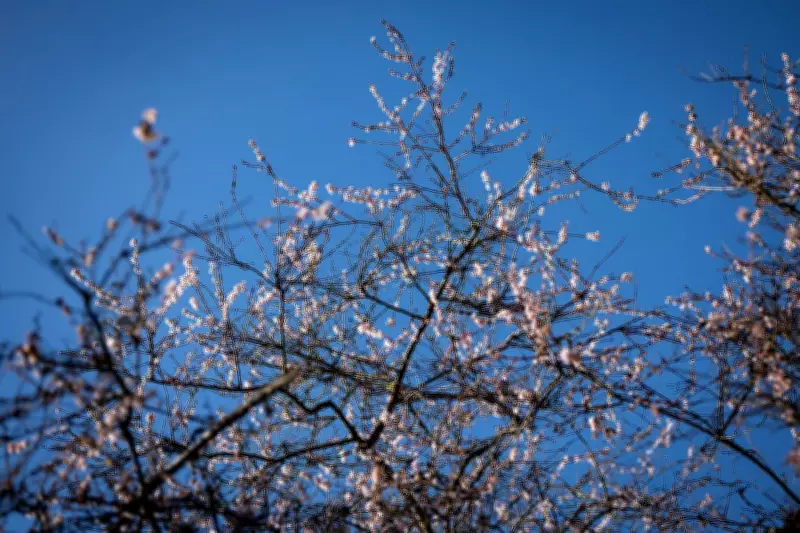
In a striking visual testament to the warm conditions, cherry blossom trees were observed in full bloom in North Vancouver as early as January 19, 2026. This premature flowering, typically associated with spring, underscores the abnormal temperatures that have characterized the season. Residents and experts alike are noting the stark contrast to typical winter weather patterns, which usually include at least some snowfall in the coastal city.
Climate Context and Historical Comparisons
The possibility of a snow-free winter raises important discussions about long-term climate trends. Vancouver's climate is generally mild compared to other Canadian cities, but consistent winter snowfall has been a reliable feature. The absence of snow this year aligns with broader global warming patterns, where milder winters are becoming more frequent in many regions. Historical data shows that while Vancouver has had low-snow winters, a complete absence is rare and noteworthy.

Meteorological factors contributing to this phenomenon include persistent high-pressure systems, warmer Pacific Ocean currents, and reduced Arctic air intrusions. These elements have combined to keep temperatures above freezing, preventing the formation of snow even during typical cold snaps.
Implications for Environment and Society
The potential snow-free winter carries several implications:
- Ecological impacts: Early blooming of plants can disrupt local ecosystems, affecting pollinators and wildlife that rely on seasonal cues.
- Water resources: Reduced snowpack in nearby mountains may impact water supply for the region, as snowmelt is a crucial source in spring and summer.
- Urban life: While some residents may enjoy the lack of snow shoveling and commuting disruptions, it could signal deeper climate issues that require attention.
- Tourism and recreation: Winter sports and activities that depend on snow may face challenges, though mild weather could boost other forms of tourism.
Expert Insights and Public Response
Climate scientists are monitoring the situation closely, using it as a case study for understanding regional climate variability. Public reaction is mixed, with some expressing concern over environmental changes, while others appreciate the extended period of mild weather. Authorities are advising residents to stay informed about weather updates and consider long-term preparedness for shifting climate patterns.
As February progresses, all eyes are on Vancouver's skies to see if the snow-free trend holds, potentially marking a historic moment in the city's weather records.